By Keith Jordan
April 16, 2026
Maintaining clean, controlled air in industrial facilities is critical for operational efficiency, regulatory compliance, and workforce safety. In environments where dust, particulates, and airborne contaminants are common, properly selected industrial air filters play a central role in preserving equipment performance and protecting employees. From manufacturing plants to warehouses and processing centers, air filtration systems are foundational components of a well-managed facility.
Industrial operations often generate significant airborne debris, including metal shavings, chemical particles, fibers, and fine dust. Without effective filtration, these contaminants can circulate through HVAC systems, settle on machinery, and create hazardous breathing conditions. Investing in high-quality industrial air filters ensures that facilities maintain clean airflow, stable indoor conditions, and consistent productivity.
Protecting Equipment Performance Through Advanced Filtration
Industrial machinery depends on controlled environments to function efficiently. Airborne contaminants can infiltrate equipment, clog sensitive components, and accelerate wear and tear. Over time, this exposure can lead to mechanical breakdowns, reduced performance, and costly downtime.
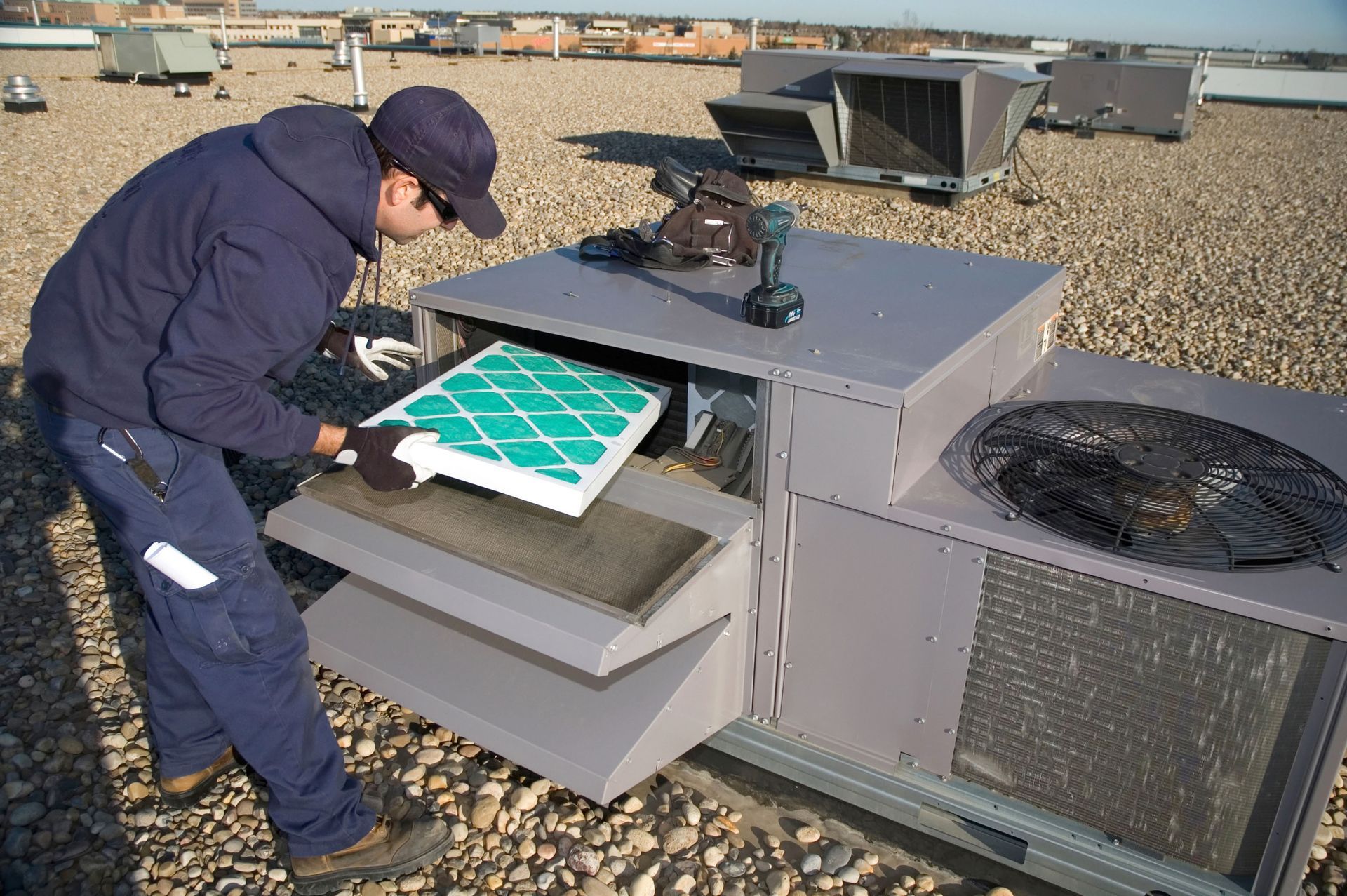
Industrial air filters serve as the first line of defense against particulate intrusion. By capturing dust and debris before it enters ventilation and mechanical systems, these filters help extend equipment lifespan and reduce maintenance frequency. Facilities that prioritize professional filtration solutions benefit from improved system reliability and fewer unexpected interruptions. In dusty environments such as fabrication plants or woodworking facilities, airborne particles accumulate rapidly. Without robust filtration, these particles can impair motors, clog ducts, and diminish cooling efficiency. Implementing properly rated filtration systems ensures that industrial environments remain clean and machinery continues operating at optimal capacity.
Enhancing Workplace Safety Through Cleaner Indoor Air
Air quality directly impacts worker health and comfort. Prolonged exposure to airborne dust, chemical fumes, and fine particulates can contribute to respiratory issues, irritation, and fatigue. Clean air supports a healthier workforce and demonstrates a company’s commitment to safety standards.
According to the EPA, inadequate indoor air quality can cost the nation tens of billions of dollars annually due to lost productivity and healthcare expenses. This underscores the financial and operational implications of poor air management in commercial and industrial facilities. By installing high-performance industrial air filters, businesses can reduce airborne contaminants and create safer working conditions for employees. Cleaner air also improves visibility and reduces lingering odors in production areas. Employees working in well-filtered environments often experience improved comfort and focus, which can positively influence overall productivity. Proper air filtration is therefore both a health measure and a strategic operational investment.
Meeting Regulatory Requirements Through Proper Filtration Systems
Industrial facilities must adhere to local, state, and federal air quality regulations. Compliance requirements often mandate specific filtration standards to limit particulate emissions and protect both workers and the surrounding community. Failure to meet these standards can result in fines, legal complications, and reputational damage.
Industrial air filters designed for commercial applications are engineered to meet stringent performance criteria. High-efficiency particulate air (HEPA) filters and other specialized filtration systems can capture microscopic contaminants that standard filters may miss. Working with experienced filtration professionals ensures that facilities select solutions aligned with industry regulations and operational demands. Regulatory compliance also enhances a company’s credibility and environmental responsibility. Proper filtration demonstrates proactive management of airborne pollutants and reinforces a commitment to safe, sustainable operations.
Improving Energy Efficiency With Optimized Airflow
Efficient airflow is essential for maintaining temperature control and minimizing energy consumption. Clogged or inadequate filters can restrict airflow, forcing HVAC systems to work harder and increasing energy costs. Over time, this strain can shorten equipment lifespan and raise operational expenses. Industrial air filters that are correctly specified and maintained support balanced airflow and reduce system strain. When air moves freely through clean filters, HVAC systems operate more efficiently, consuming less energy while maintaining consistent environmental conditions.
Dusty environments place additional stress on ventilation systems, making professional filter selection and replacement schedules critical. High-capacity filters designed for heavy particulate loads help preserve airflow and prevent energy inefficiencies. Facilities that prioritize optimized filtration often see measurable improvements in both energy performance and equipment longevity.
Controlling Contamination in High-Dust Environments
Certain industries generate particularly high levels of airborne dust. Mining operations, grain processing plants, and construction material facilities frequently contend with suspended particles that can infiltrate workspaces and machinery. In these environments, comprehensive air management strategies are essential.
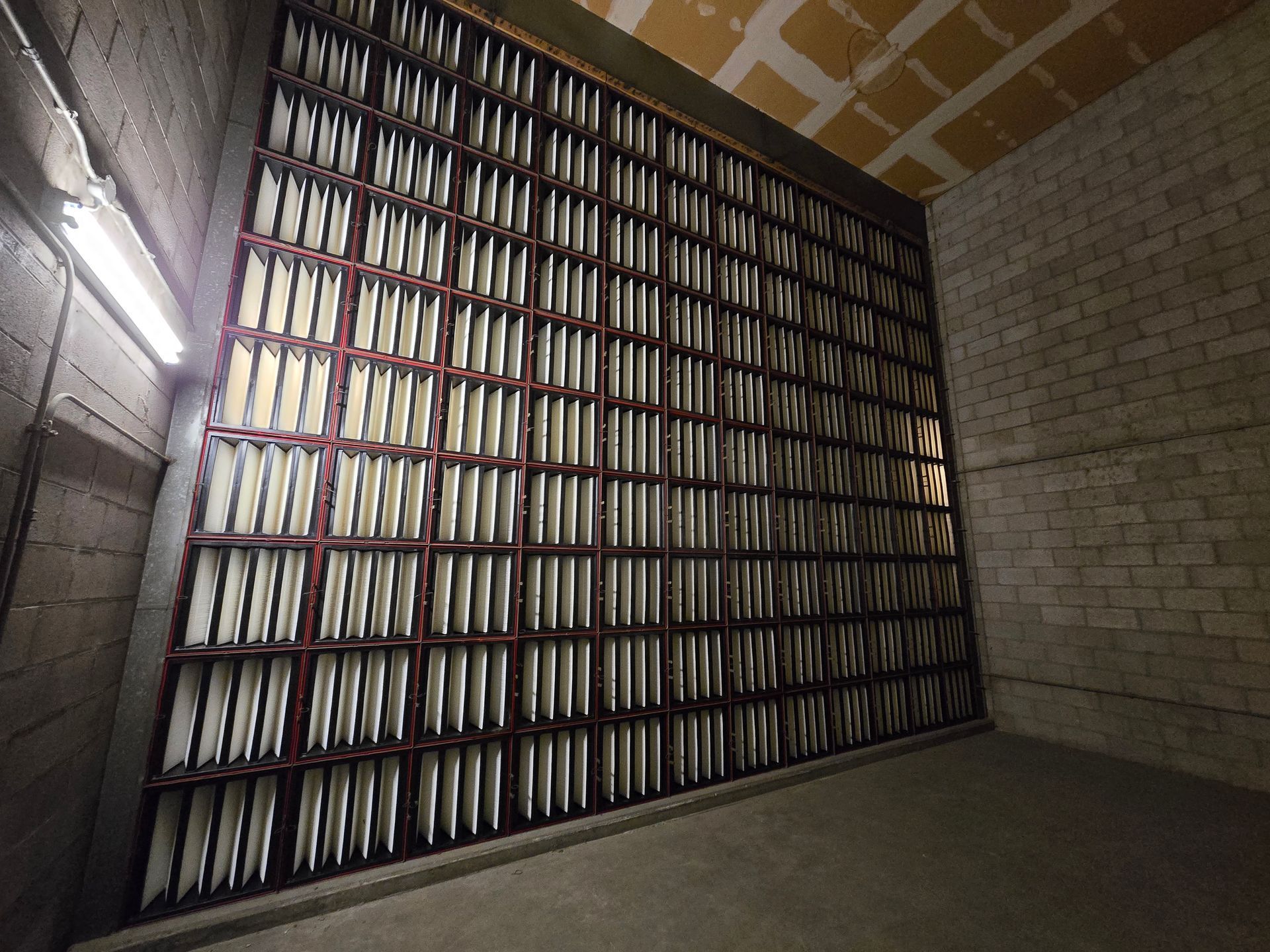
Industrial air filters engineered for heavy-duty applications capture large volumes of particulate matter without compromising airflow. Multi-stage filtration systems may combine pre-filters and high-efficiency filters to address varying particle sizes. This layered approach ensures that even fine dust is effectively removed from circulating air. Effective contamination control not only protects employees but also safeguards finished products. In industries where precision and cleanliness are paramount, such as electronics manufacturing or food processing, air filtration helps maintain product integrity and quality standards.
Supporting Consistent Production Through Reliable Filtration
Production consistency relies on stable environmental conditions. Fluctuations in air quality can impact machinery calibration, material processing, and overall workflow. Excessive dust accumulation may lead to sensor malfunctions, equipment overheating, or compromised product quality. By incorporating properly rated industrial air filters into facility systems, managers can maintain consistent operating conditions. Reliable filtration reduces airborne debris that might interfere with automated systems or delicate manufacturing processes.
Industrial facilities that experience frequent shutdowns due to air contamination issues often see substantial productivity losses. Professional filtration solutions help minimize these risks by maintaining controlled indoor environments that support uninterrupted operations. Over time, this reliability contributes to stronger output performance and improved profitability.
Extending HVAC System Lifespan Through Professional Solutions
HVAC systems in industrial settings operate under demanding conditions. Continuous airflow combined with heavy particulate loads places stress on fans, coils, and ductwork. Without proper filtration, contaminants can accumulate within system components, reducing efficiency and increasing the likelihood of costly repairs.
High-quality industrial air filters capture debris before it reaches critical HVAC components. This preventative measure protects coils from buildup, preserves airflow integrity, and reduces the frequency of deep system cleanings. Facilities that implement professional filtration strategies often experience fewer mechanical failures and longer HVAC lifespans.
Adapting Filtration Systems to Industry-Specific Needs
Different industries require customized filtration solutions based on the type and volume of contaminants present. Manufacturing plants may generate metal particulates, while woodworking facilities contend with fine sawdust. Chemical processing environments must address airborne fumes and vaporized compounds.
Industrial air filters are available in various efficiency ratings, materials, and configurations to meet these diverse demands. Selecting the correct filter involves evaluating airflow capacity, particle size, and environmental conditions. Professional consultation ensures that filtration systems align with operational requirements and environmental standards. Tailored filtration strategies enhance overall facility performance by addressing unique challenges effectively. Rather than relying on generic solutions, industrial operators benefit from systems designed specifically for their processes and production environments.
Strengthening Operational Sustainability Through Cleaner Air
Sustainability has become an essential consideration for modern industrial operations. Clean air management contributes to environmental responsibility by reducing emissions and supporting efficient energy usage. Facilities that invest in effective filtration demonstrate a proactive approach to environmental stewardship. Industrial air filters that capture contaminants before they are released into the atmosphere help limit environmental impact. Additionally, optimized HVAC efficiency reduces overall energy consumption, supporting sustainability goals. By prioritizing air quality, facilities contribute to broader environmental protection efforts while maintaining operational excellence.
Industrial facilities operating in dusty or high-contaminant environments require dependable, high-performance air filtration systems. From protecting equipment and improving energy efficiency to supporting worker health and regulatory compliance,
industrial air filters are integral to maintaining safe and productive operations. Investing in professional filtration solutions ensures long-term reliability and measurable operational benefits.
For facilities seeking expert guidance and premium industrial air filters, Colorado Air Filter LLC provides comprehensive solutions tailored to your specific environment. Contact Colorado Air Filter LLC today to secure professional filtration systems that enhance performance, protect equipment, and maintain clean, efficient air throughout your facility.