Maximizing the efficiency of Heating, Ventilation, and Air Conditioning (HVAC) systems is crucial in any industrial setting, not only for cost reduction but also for enhanced productivity and environmental impact mitigation. Industrial air filters play a vital role in improving the efficiency of HVAC systems by ensuring that these systems do not have to work harder than necessary to maintain optimal air quality. This article delves into how air filters can boost HVAC performance, reduce energy consumption, and bolster indoor air quality, emphasizing their strategic importance in modern industrial operations.
The interconnected nature of HVAC systems and air filters means that when air filters are optimized, they directly contribute to improved energy efficiency, lower operational costs, and better workplace environments. By understanding the nuances of how filters influence HVAC systems, businesses can make informed decisions that lead to sustainable and long-term benefits. With advancements in air filtration technology, it's easier than ever to upgrade existing setups for maximum efficacy.
Given the pressing need for organizations to maintain cost-effective and environmentally friendly operations, evaluating the impact and selection of industrial air filters becomes paramount. Aligning the choice of air filters with organizational goals for efficiency and sustainability represents a strategic move for any business. As we explore further, you'll discover the significance of these seemingly small components and why they deserve considerable attention within your industrial HVAC strategy.
The Basics of HVAC Systems and Industrial Air Filters
Understanding HVAC Systems
HVAC systems are complex networks designed to regulate temperature, humidity, and air quality in enclosed spaces. The efficiency of these systems determines their ability to provide comfortable and healthy air conditions while consuming minimal energy. Most HVAC systems work by drawing air from the external environment, conditioning it, and then distributing it throughout buildings. This cycle is energy-intensive, making efficiency enhancements vital for reducing operational costs and extending system lifespan. Efficient HVAC systems not only save energy but also help maintain equipment efficiency, ensuring consistent indoor conditions.
Energy efficiency in HVAC systems can directly affect the operating budget of any industrial facility. When systems run efficiently, less energy is wasted, and this translates into financial savings over time. Furthermore, optimized HVAC systems help minimize wear and tear, reducing the frequency of costly repairs and replacements. In industrial environments, uninterrupted functioning of HVAC systems is not only a matter of comfort but also of safety and productivity. By understanding how these systems operate, businesses can better strategize maintenance and upgrades to achieve optimal efficiency.
Optimizing HVAC efficiency also involves considering external environmental factors that can impact performance. For instance, seasonal changes can demand more energy to maintain building temperatures, affecting overall system efficiency. Monitoring and adjusting HVAC settings in response to these external factors are crucial for maintaining energy efficiency year-round. Additionally, technological advancements provide tools to improve system performance and monitor energy usage, further helping businesses enhance efficiency. Ultimately, understanding HVAC systems lays the groundwork for effectively leveraging industrial air filters for performance enhancement.
Types of Industrial Air Filters
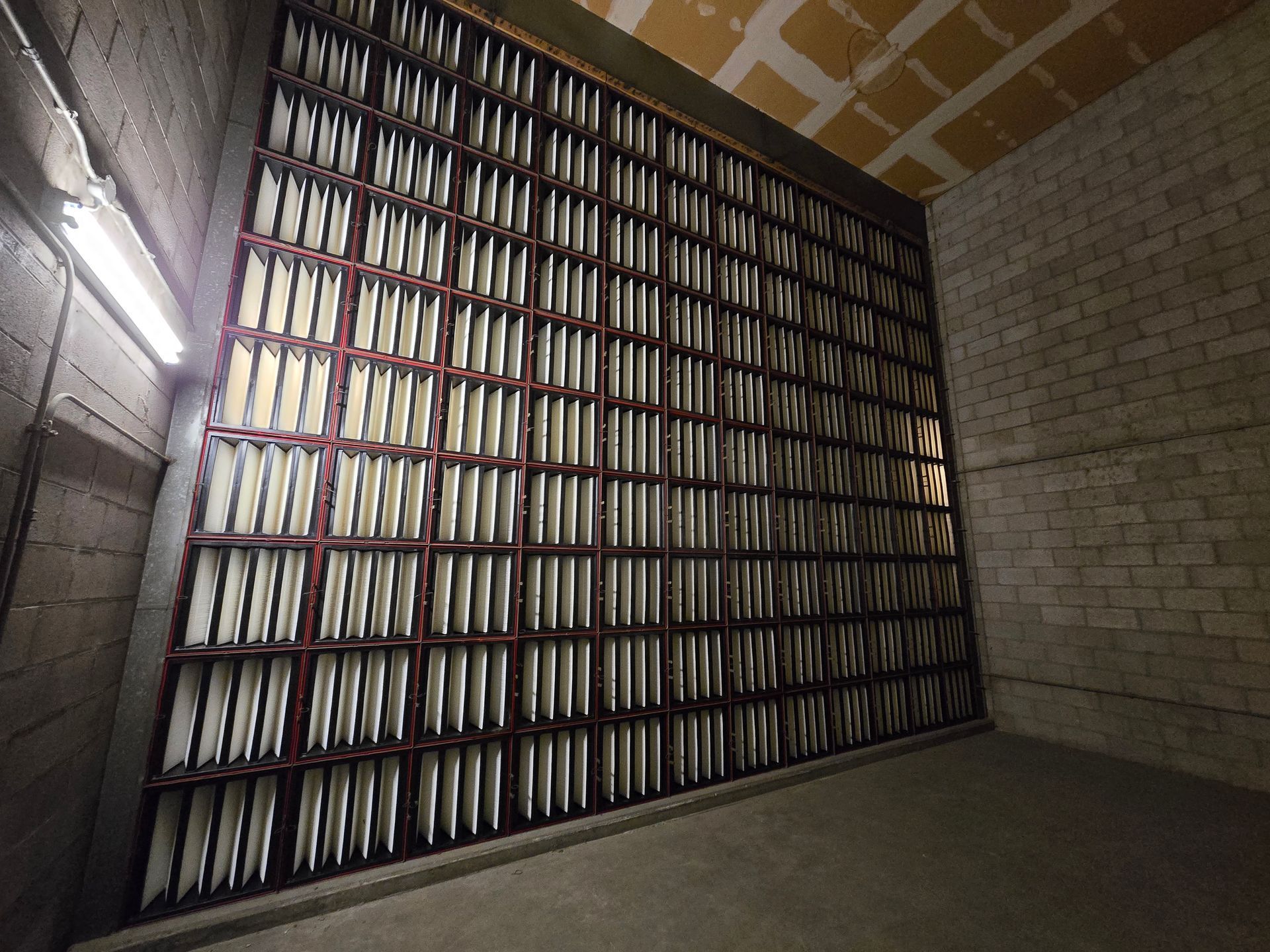
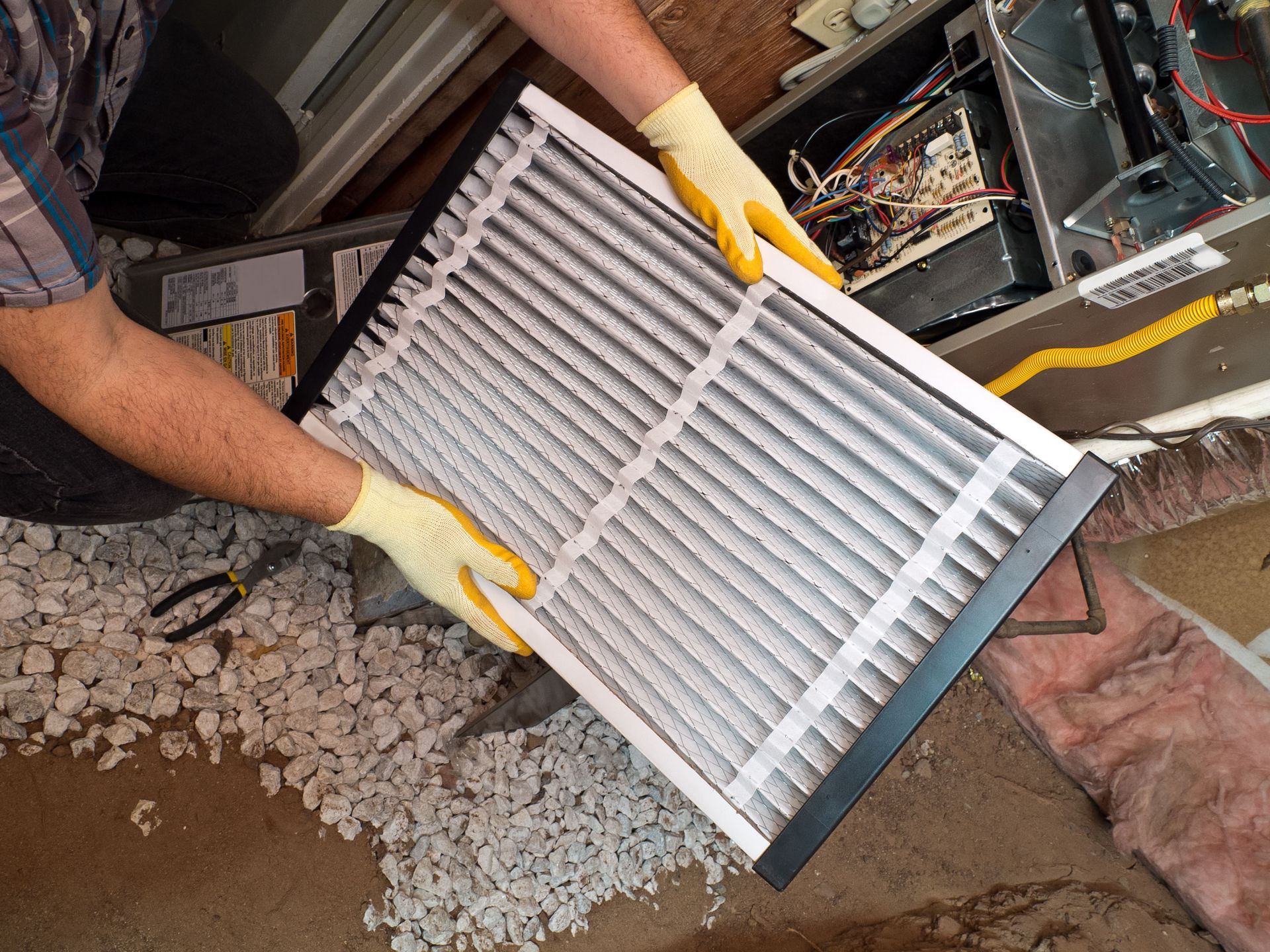
Industrial air filters come in various types, each designed for specific applications and environments. Common types include fiberglass filters, pleated filters, electrostatic filters, and HEPA filters, each offering distinct advantages and efficiencies. Fiberglass filters, though less expensive, often require frequent replacements and are less efficient at capturing smaller particles. Pleated filters, with their increased surface area, are more effective at trapping airborne contaminants and tend to have longer lifespans. Electrostatic filters use static to attract and capture particles, offering high levels of efficiency for facilities with specific filtration needs.
High-Efficiency Particulate Air (HEPA) filters are known for their capabilities in capturing at least 99.97% of airborne particles, including those as small as 0.3 microns, making them ideal for cleanroom environments. These filters are essential in maintaining air quality where microbial control is paramount, such as in pharmaceuticals and electronics manufacturing. According to the EPA, MERV ratings help compare HVAC filter performance, with higher scores indicating a better ability to trap particles between 0.3 and 10 microns. Selecting the right type of filter depends on understanding both the environmental needs and the filtration demands of the specific industrial facility.
In industries where airborne contaminants can significantly affect both employee health and product integrity, choosing the appropriate filter is crucial. The right filter not only captures harmful particles but also enhances air quality and system efficiency. It is essential to balance filter cost with performance to ensure that the optimal balance is struck between operational expenditure and air quality benefits. By exploring the types of industrial air filters available, businesses can make informed decisions on the most suitable options for their facilities.
Importance of Air Quality in Industrial Settings
Maintaining high air quality in industrial settings is critical for safeguarding employee health and optimizing equipment performance. Poor air quality can lead to respiratory problems, allergies, and other health issues among workers, increasing absenteeism and reducing productivity. Moreover, contaminants in the air can affect the functioning of sensitive equipment, leading to higher maintenance costs and potential production delays. To counter these challenges, effective air filtration systems work tirelessly to trap dust, pollen, mold spores, and other airborne pollutants.
Industrial environments face unique challenges when it comes to air quality control, given the nature of operations and materials used. For instance, in manufacturing facilities, processes can release volatile organic compounds and particulates, necessitating robust air filtration solutions. Even in less intensive environments, routine activities such as vehicle movements can introduce pollutants into the air, making filtration a consistent requirement. By addressing air quality, companies enhance the working environment, leading to better morale and improved task execution accuracy among their workforce.
Furthermore, regulatory compliance often requires maintaining specific air quality standards to prevent workplace illnesses and environmental harm. Non-compliance with air quality regulations can result in legal penalties and reputational damage. Thus, investing in high-performance industrial air filters not only fulfills legal mandates but also demonstrates a commitment to workplace safety and environmental responsibility. Effective air quality management through air filters is an essential component of any comprehensive industrial health and safety strategy.
Impact of Air Filters on Energy Consumption
Energy consumption in HVAC systems is a significant concern in industrial facilities, and the selection of air filters can have profound implications for overall energy use. Air filters that are too restrictive can cause the HVAC system to work harder, increasing energy consumption and operational costs. Conversely, high-performance filters designed to allow maximum airflow while capturing contaminants can enhance system efficiency and energy savings. Properly selected filters ensure that airflow is optimized without compromising air quality, creating a balance between energy use and environmental health.
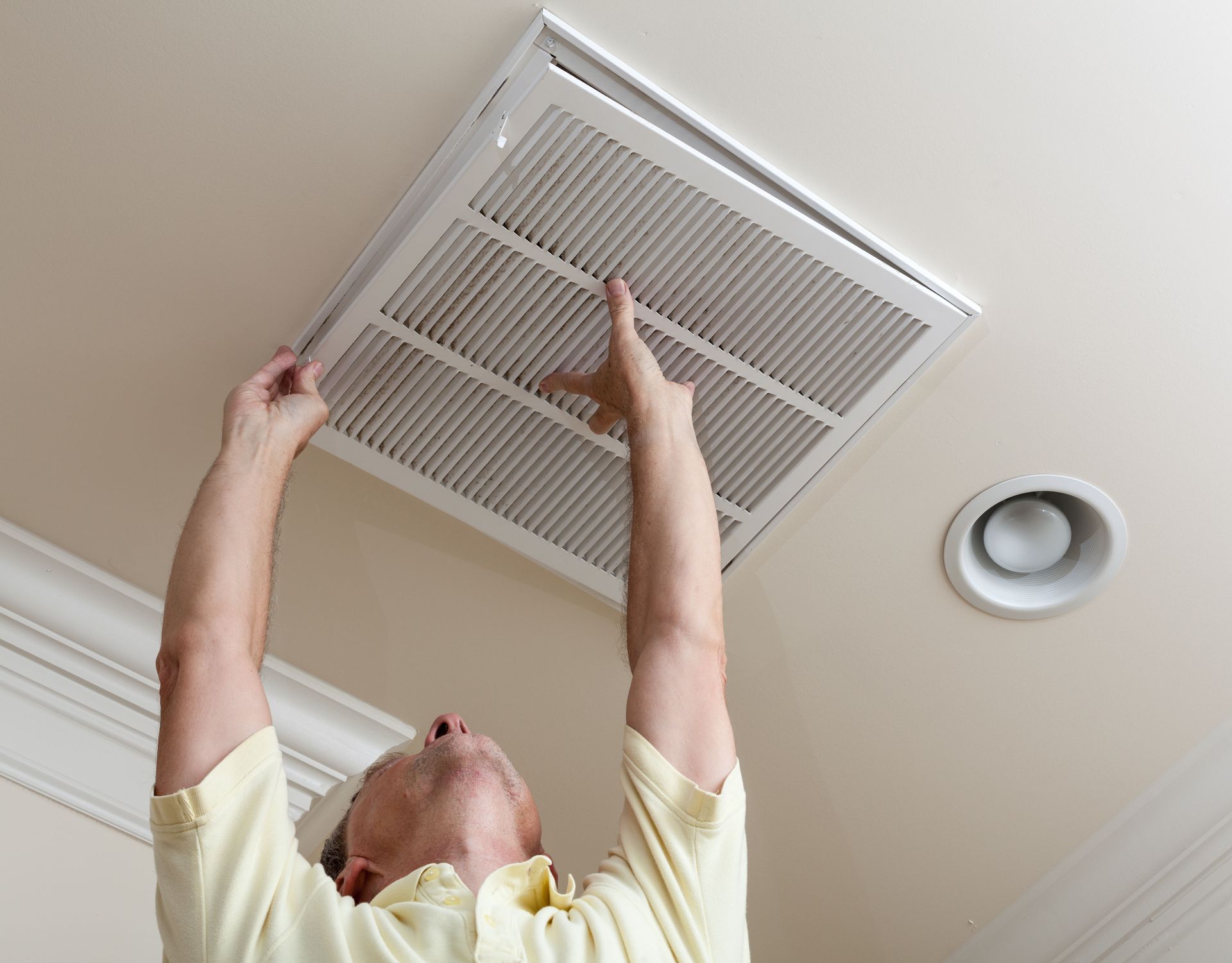
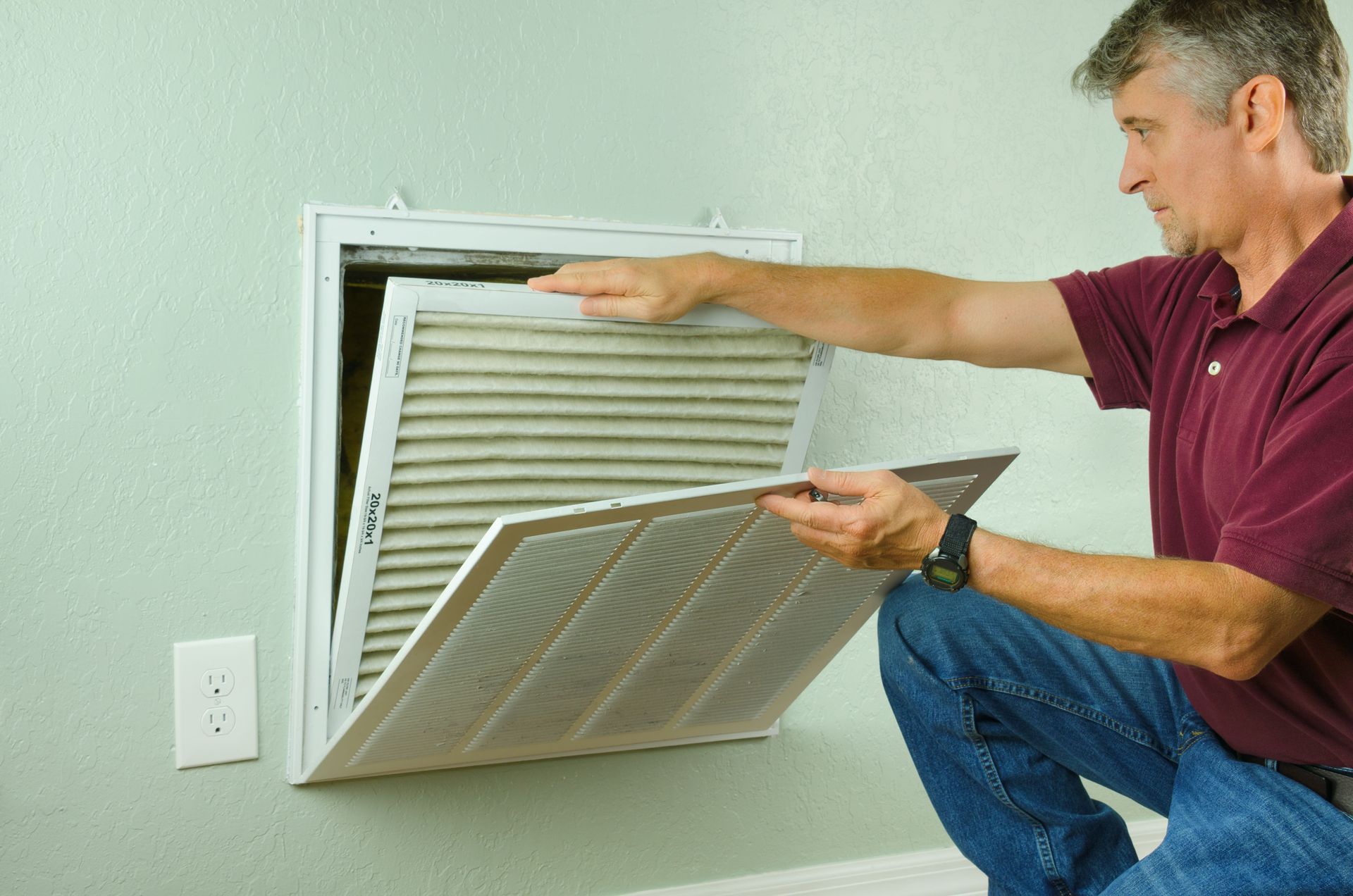
The use of ideal air filters can lead to significant reductions in energy expenditure, making them an effective cost-saving measure. Efficient filters streamline system operation, resulting in less strain on HVAC components and a reduction in overall power consumption. Regular maintenance of these filters is critical to sustaining the energy efficiency benefits they offer. Over time, as filters capture particles, they can become clogged, necessitating replacement to maintain optimal performance. Implementing a proactive filter maintenance schedule ensures that energy savings continue unhindered.
Advancements in air filter technology have further empowered industrial operators to achieve unprecedented levels of energy efficiency. Innovations such as nanofiber and electrostatic technology enhance filtration capabilities while promoting lower energy usage. These high-tech filters capture a more comprehensive range of airborne contaminants without obstructing airflow significantly, thus catalyzing energy conservation efforts. By incorporating these technological advancements into their HVAC infrastructures, businesses can optimize operational costs and contribute positively to broader energy conservation goals. Be sure to reach out to Colorado Air Filter today to learn more about our professional industrial air filters!