By Keith Jordan
July 13, 2026
In recent years, the significance of maintaining high indoor air quality in commercial buildings has escalated. Factors such as occupant health, productivity, and adherence to environmental standards have brought air quality to the forefront. The rise in urban air pollution and global health crises has further heightened this awareness. Commercial buildings, often housing large numbers of people, contribute significantly to the air quality dynamics of urban environments. This article explores various strategies and technologies, including commercial air filters, employed to enhance air quality in these settings.
Understanding Air Quality Challenges in Commercial Buildings
Indoor Air Pollutants and Their Sources
Indoor air pollutants stem from various sources, making managing air quality in commercial spaces challenging. Common pollutants include volatile organic compounds (VOCs), emitted from cleaning products, and construction materials. Particulate matter, both from indoor and outdoor sources, poses significant health risks. Biological contaminants such as mold, bacteria, and allergens also contribute to poor air quality. Addressing these pollutants requires a comprehensive understanding of their origins and mitigation methods.
VOC emission sources are diverse, including building construction materials and daily operational products. These compounds affect respiratory health and can contribute to long-term conditions. Effective air filtration systems mitigate airborne VOC concentrations, enhancing indoor air quality. Particulate matter, comprising dust and pollen, infiltrates through ventilation systems. The installation of advanced commercial air filters helps to capture these particles, protecting building occupants.
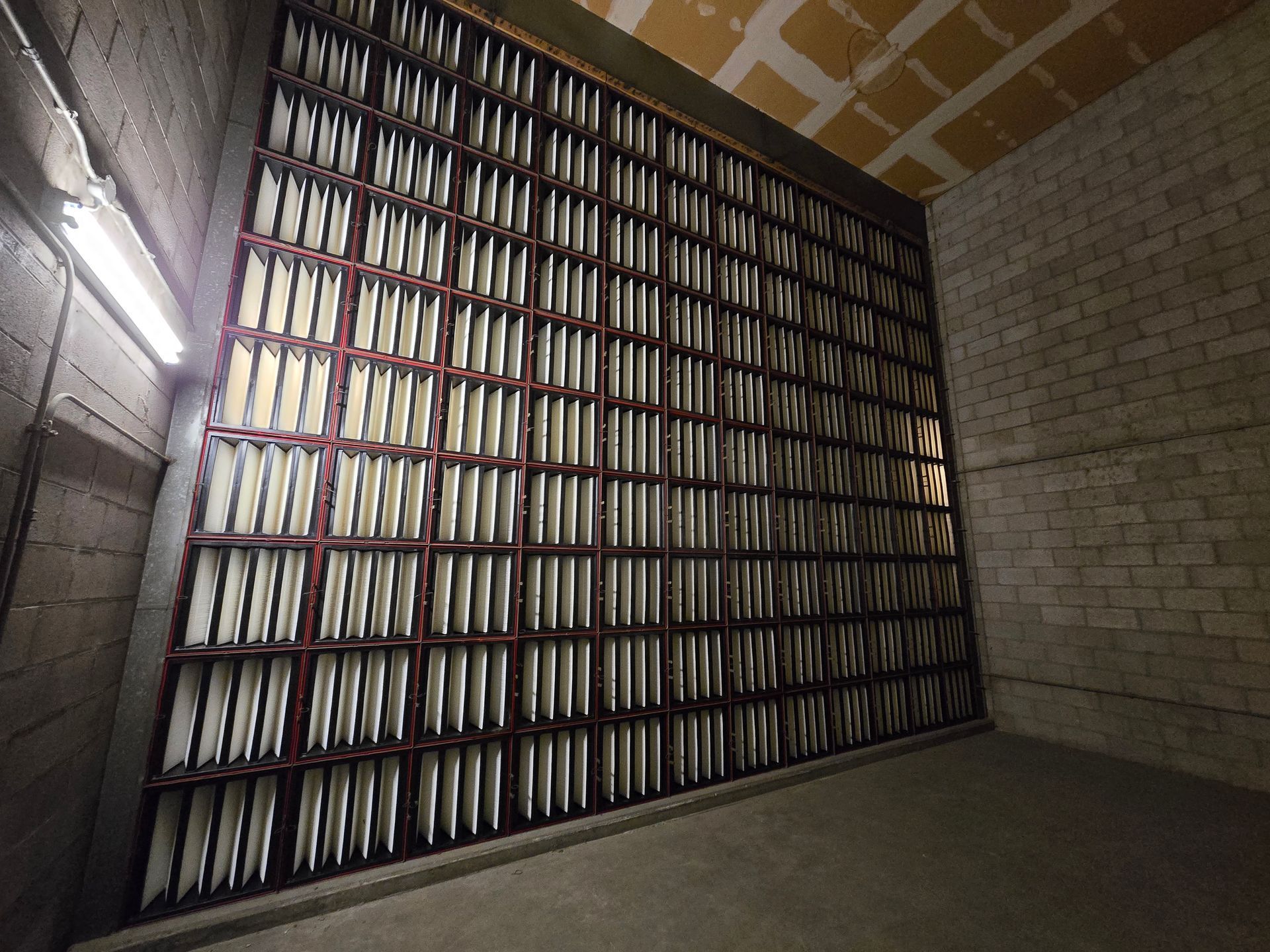
Biological contaminants flourish in damp and poorly ventilated environments, necessitating effective air treatment solutions. Such environments facilitate the growth of mold spores, contributing to allergic reactions and respiratory issues. Regular HVAC maintenance and air purification strategies prevent these problems. Use of high-efficiency particulate air (HEPA) filters is critical in trapping biological particles. These commercial air filters can theoretically remove at least 99.97% of airborne particles with a size of 0.3 microns, according to the EPA.
The Impact of Poor Air Quality on Occupants
Poor air quality in commercial buildings significantly affects health, necessitating ongoing improvements in filtration systems. Employees subjected to polluted indoor environments may experience respiratory distress and chronic diseases. An immediate effect of poor air quality is decreased cognitive function and productivity. This can stem from prolonged exposure to high levels of CO2 and VOCs. Improving air quality enhances the overall well-being and efficiency of building occupants.
Occupational exposure to pollutants, particularly in inadequately ventilated spaces, exacerbates existing health conditions. Chronic exposure to indoor air pollutants increases the risk of developing respiratory and cardiovascular diseases. Addressing indoor air quality is thus integral to promoting a healthy workforce. The economic implications of illness-related absenteeism further justify investments in higher-quality air filtration systems. Ensuring good air quality can result in improved mood and productivity, thereby benefiting businesses.
The psychological well-being of occupants is also linked to air quality. Poor air conditions contribute to stress and discomfort, negating workplace morale. Implementing robust air quality measures showcases an organization's commitment to employee welfare. Public awareness and expectations are increasing in this regard, putting pressure on building managers. Implementing air filtration solutions not only mitigates health risks but also boosts employee satisfaction and retention.
Regulatory Standards and Compliance
Regulatory standards play a pivotal role in ensuring acceptable indoor air quality in commercial settings. Agencies such as the EPA and OSHA set forth guidelines to manage and monitor these requirements. Compliance with such standards involves meeting preset criteria for indoor pollutants. For compliance, commercial air filters must meet standard ratings that correspond with regulatory expectations. Adhering to these guidelines ensures safe air for building occupants.
Failure to comply with air quality standards may result in legal and financial penalties. Regular inspections and updates to filtration systems help maintain compliance. The necessity for modern air quality solutions is emphasized due to stricter regulations. These efforts not only lead to compliance but significantly improve the environmental footprint of commercial buildings. They foster safer, healthier environments for all building users.
Regulatory agencies continually adapt standards to reflect emerging research and technologies. As understanding of air pollutants evolves, so does the associated legislative framework. Building managers must remain informed about changes to ensure ongoing compliance. Workshops and professional training can facilitate understanding and implementation of the required standards. Proactive adaptation to regulatory developments enhances building sustainability and occupant health.
The Role of HVAC Systems in Air Quality
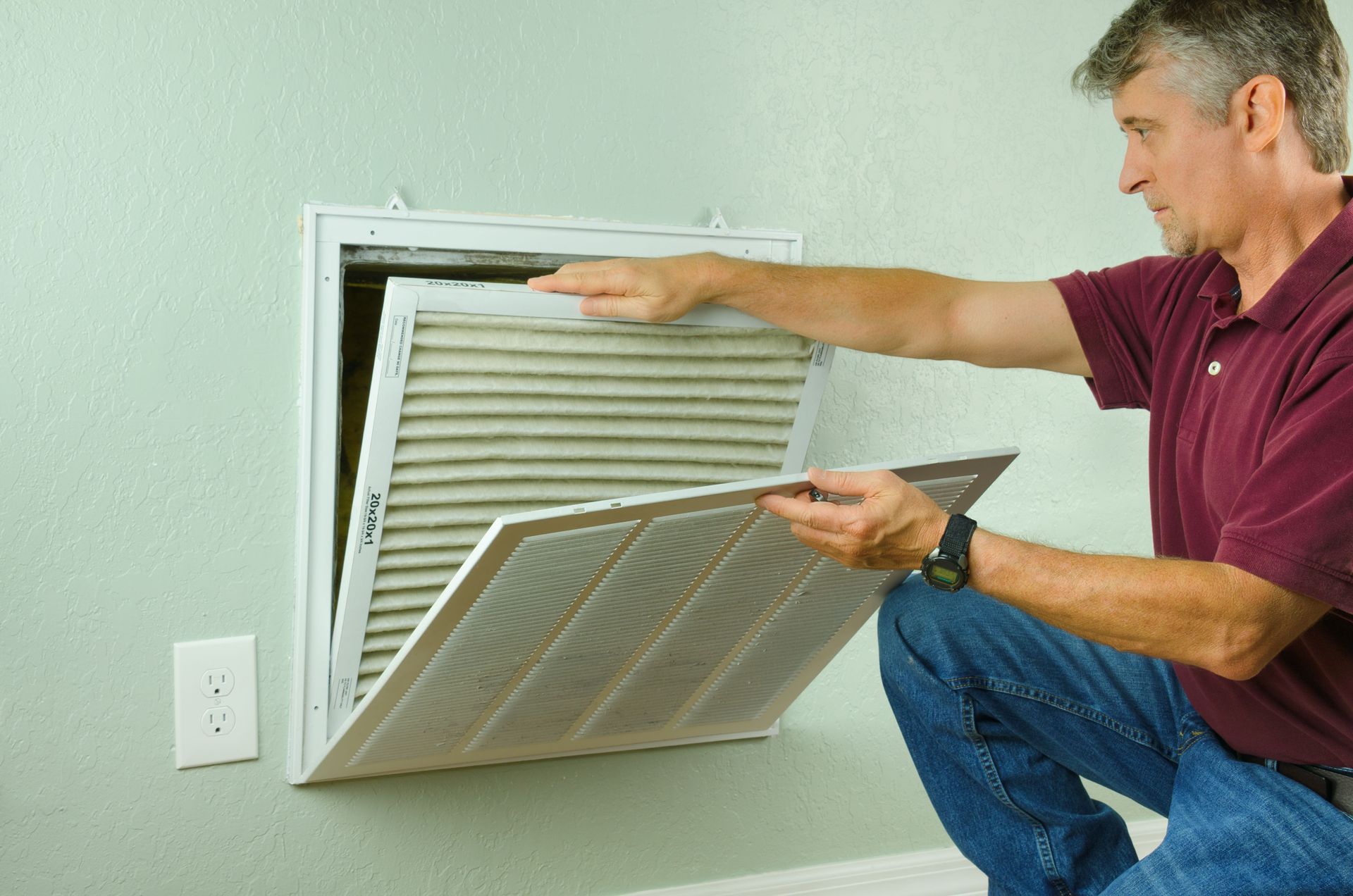
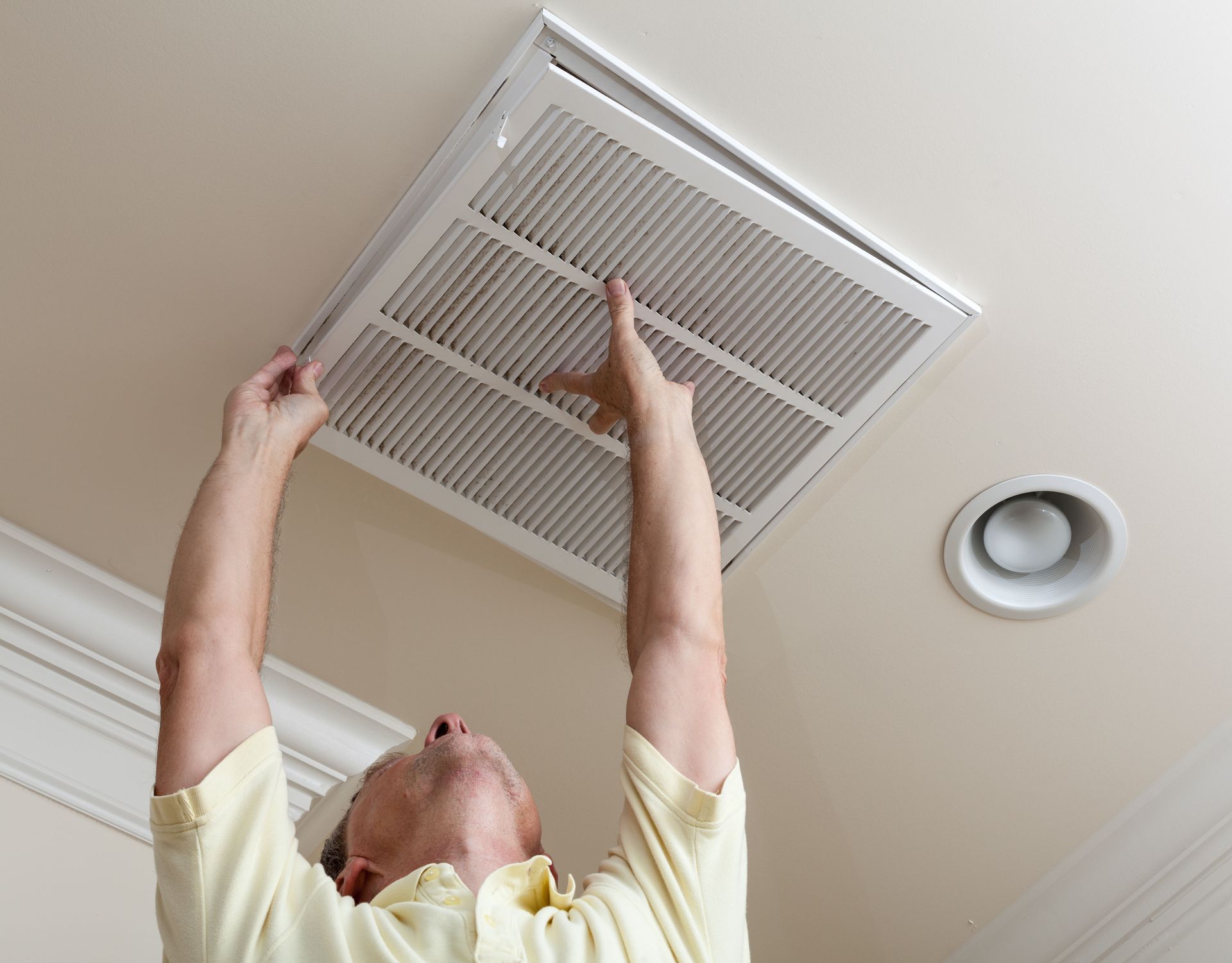
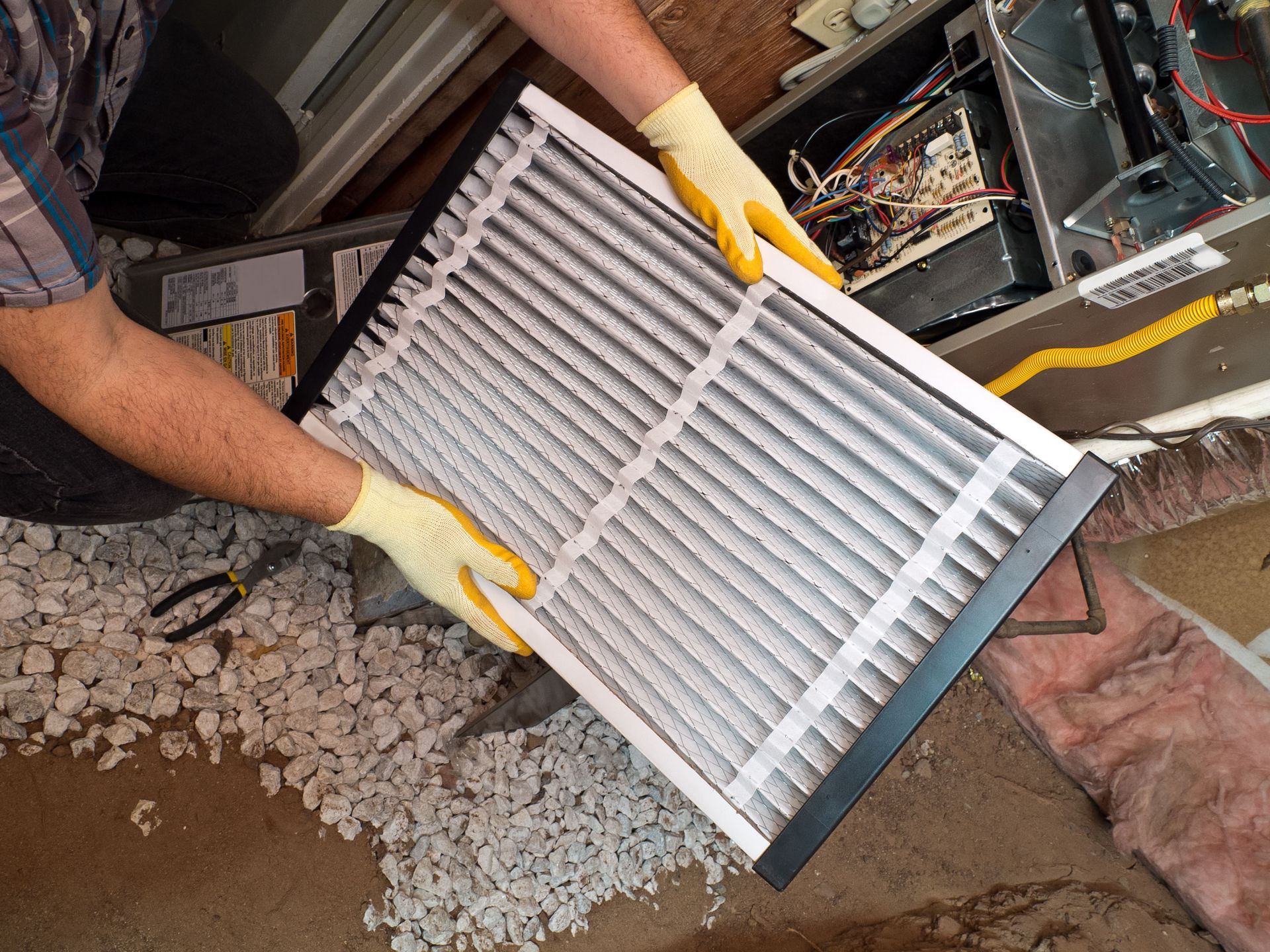
HVAC systems are instrumental in maintaining and regulating indoor air quality within commercial buildings. These systems manage airflow, removing pollutants and distributing clean air throughout the space. However, when neglected, they can become sources of pollution due to contaminant buildup. Regular maintenance, including filter replacement, is crucial in preserving HVAC system effectiveness. Integrating advanced filtration solutions within HVAC systems can substantially improve air quality.
A well-designed HVAC system improves not only air quality but energy efficiency as well. Innovative HVAC technologies reduce energy consumption while maintaining high ventilation standards. In contrast, poorly maintained systems exhaust unnecessary energy and distribute contaminants. Employing cutting-edge materials and designs enhances HVAC efficiency and minimizes air pollutants. An investment in upgraded HVAC systems is thus an investment in sustainable building practices.
A significant advantage of advanced HVAC systems is their ability to control humidity levels, further improving air quality. High humidity can exacerbate mold growth and allergen activity within buildings. By integrating humidity control into filtration strategies, buildings achieve enhanced air quality. Smart HVAC systems offer real-time monitoring and adjustment capabilities, aligning system performance with dynamic air quality needs. These systems signify the future of maintaining optimal environmental conditions in commercial settings.
Recent Trends in Air Quality Concerns
The incorporation of innovative technologies to tackle air quality issues is rising in response to new demands. Advancements in sensor technology allow for real-time air quality monitoring and control. This adaptability enables proactive air quality management, promptly addressing pollution sources. Wireless integration of monitoring systems with building management platforms streamlines air quality interventions. Such trends represent a shift toward intelligent, data-driven building environments.
Health crises have reinforced the need for sustainable and resilient building environments. The demand for healthier indoor spaces aligns with broader goals for reducing carbon footprints and resource sustainability. Sustainable building certification programs, like LEED, incorporate air-quality criteria, driving demand for improved filtration solutions. Consequently, the industry is seeing the development of air filtration systems that align with both health and environmental objectives. Buildings embracing these trends serve as models in achieving holistic sustainability and occupant well-being.
As air quality expectations continue to rise, businesses should view filtration as an ongoing part of building care rather than a one-time upgrade. Routine inspections, timely replacements, and thoughtful system improvements can help extend HVAC equipment life while keeping indoor environments cleaner. Commercial air filters play an important role in this process by capturing airborne particles before they circulate through offices, schools, healthcare facilities, retail spaces, and other commercial properties. By investing in reliable filtration practices, building managers can support long-term comfort, efficiency, and occupant confidence.
Maintaining clean indoor air is essential for protecting occupant health, supporting productivity, and keeping commercial buildings operating efficiently. Choosing the right
commercial air filters can help reduce pollutants, improve HVAC performance, and support compliance with indoor air quality standards. With regular maintenance, proper filter selection, and a proactive approach to air management, commercial buildings can create healthier and more comfortable environments for everyone inside. Call Colorado Air Filter LLC today to learn more.