By Keith Jordan
June 17, 2026
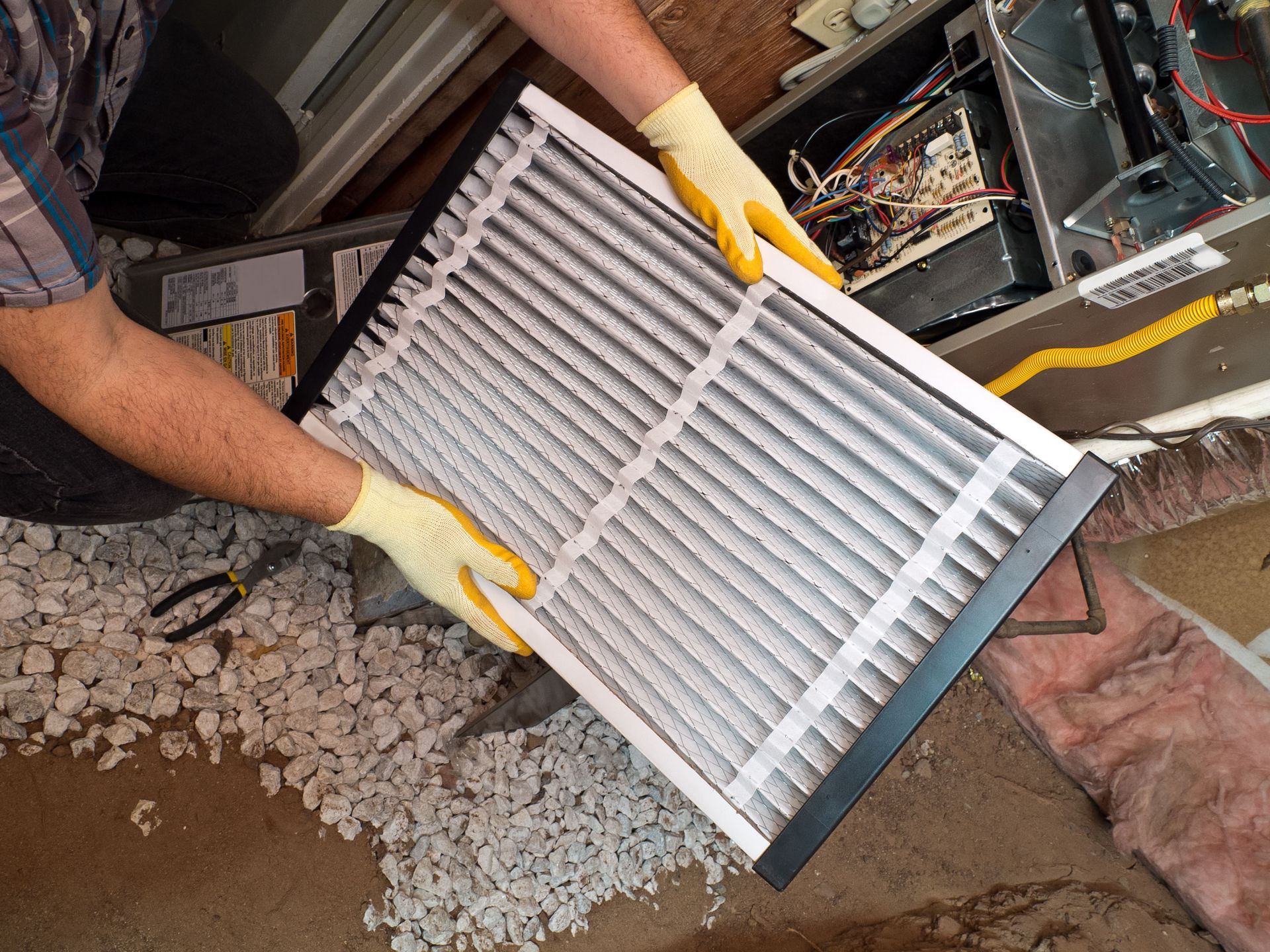
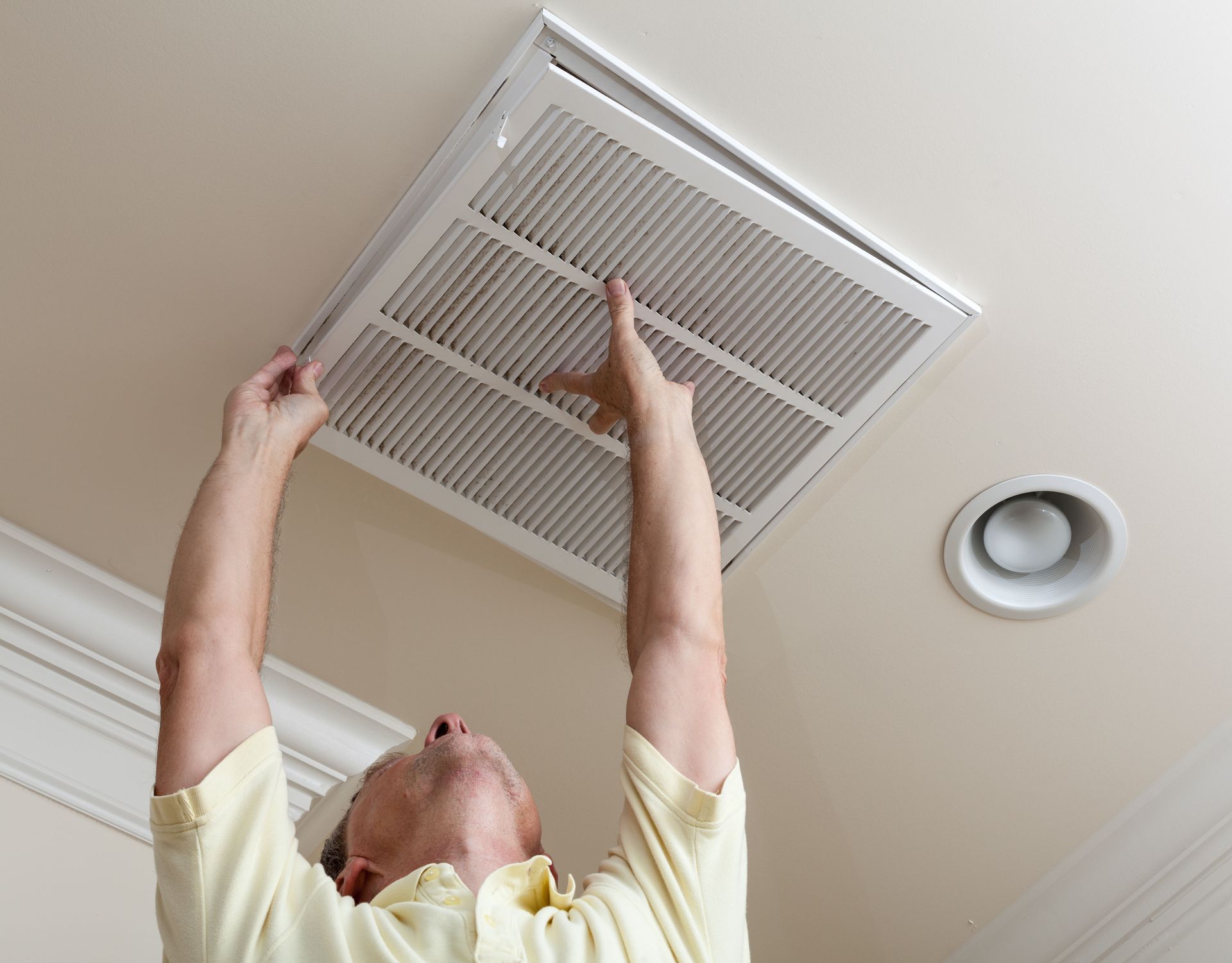
Indoor air quality heavily influences daily comfort, personal health, and workplace productivity. Breathing clean air shields individuals from respiratory concerns and creates an inviting atmosphere in any building. Managing this indoor environment effectively requires a reliable system capable of trapping microscopic hazards before they circulate through rooms. By selecting a suitable air filter, property owners establish a defensive barrier against airborne contaminants while optimizing their mechanical system performance.
Beyond health advantages, selecting the correct filtration setup offers substantial financial rewards for property managers and homeowners alike. Well-chosen equipment prevents debris from clogging sensitive internal machinery, which lowers utility expenses and extends the lifespan of heating and cooling components. Navigating the wide variety of modern choices requires understanding how different technologies perform under diverse circumstances. Balancing performance demands with budget limits achieves pristine indoor conditions without overspending.
Understand Different Filter Technologies
High-efficiency particulate air options represent an exceptional standard for removing particles from circulation within specialized environments. This specialized air filter captures the vast majority of microscopic contaminants, making it essential for high-stakes settings like hospitals and research laboratories. While these units deliver exceptional biological protection, their dense design can restrict airflow. Consequently, users must weigh the benefits against potential mechanical modifications needed for their machinery.
Activated carbon designs focus specifically on eliminating gaseous pollutants, volatile organic compounds, and unpleasant odors rather than capturing solid particles. These units utilize a highly porous molecular structure to trap chemical vapors from cooking, manufacturing, or heavy urban smog, making them ideal for city buildings. Because they cannot intercept dust effectively, facilities frequently pair them with particulate-trapping models to create a comprehensive purification system.
Electrostatic options employ static electricity to draw dust, pollen, and microscopic debris out of the atmosphere onto internal collection plates. Choosing an electrostatic air filter provides an eco-friendly alternative to disposable models because many variations are completely washable and reusable. This reusable nature drastically minimizes long-term waste and eliminates recurring replacement expenses. However, owners must commit to a strict washing schedule to maintain overall filtration performance.
Ultraviolet light systems introduce a germicidal component to standard climate control systems by using specialized radiation to neutralize airborne pathogens. Instead of trapping physical particles, these lamps alter the biological structure of viruses, bacteria, and mold spores as they pass through ductwork. This technology functions beautifully in sterile environments where preventing infection transmission is an absolute priority. To achieve maximum efficacy, these lamps require proper physical barriers.
Ionic purifiers emit negatively charged ions into the surrounding space, causing airborne particles to clump together and settle onto nearby surfaces. This mechanism operates incredibly quietly and consumes very little electricity, making it a popular choice for residential bedrooms. Homeowners must routinely clean the surrounding walls and surfaces where the charged particles land to maintain a hygienic space. Modern designs successfully minimize ozone emissions to comply with health standards.
Evaluate Varied Environmental Requirements
Home environments demand a careful balance between family health protections and manageable operating costs for the household. Households frequently contend with pet dander, seasonal pollen, and dust mites that compromise indoor comfort. Selecting a proper air filter helps safeguard sensitive family members from asthma triggers and seasonal allergy flare-ups. Implementing a consistent replacement routine protects loved ones while ensuring that home comfort systems run efficiently throughout the year.
Commercial office buildings require clean indoor climates to preserve worker comfort and optimize daily corporate productivity across departments. Poor ventilation and circulating dust often contribute to workspace sluggishness or increased employee sick leave, harming business performance. Installing a high-quality air filter clears office spaces of equipment emissions and seasonal allergens to foster an energetic workplace. Investing in efficient options ensures employees focus deeply without mechanical distractions.
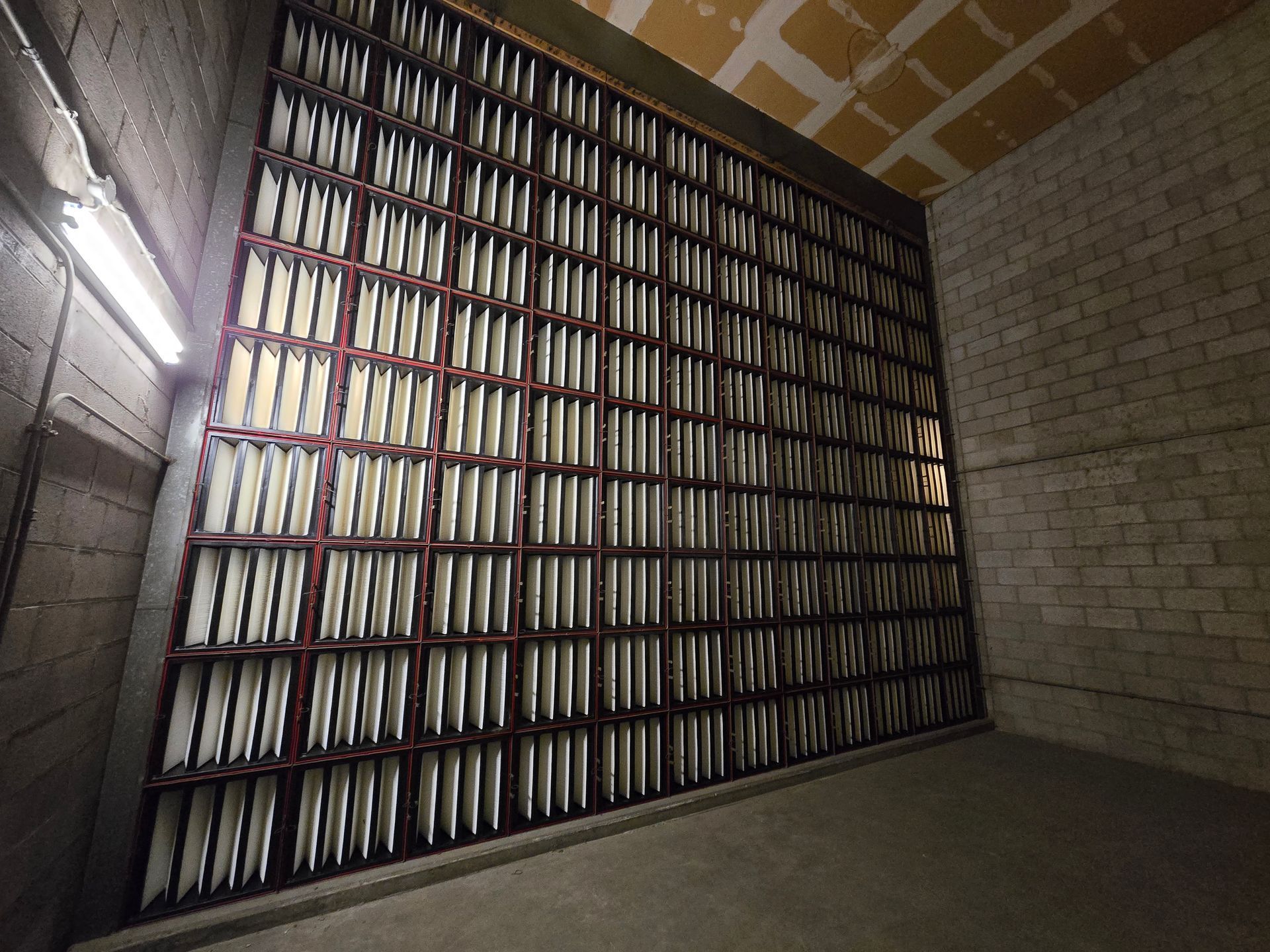
Industrial facilities face strict regulatory mandates regarding air quality to protect workers from manufacturing dust and chemical output during production. Operations involving woodworking or chemical blending generate heavy particle loads that require heavy-duty containment strategies. Deploying robust filtration solutions ensures corporate compliance with safety standards while mitigating potential legal liabilities. Implementing advanced purification designs safeguards heavy machinery from internal debris accumulation, preventing unexpected operational downtime.
Healthcare facilities prioritize rigorous infection control measures to shield vulnerable patients and medical staff from dangerous airborne pathogens. Hospitals, clinics, and emergency rooms combine various advanced purification layers to intercept viruses and bacteria instantly before they spread. Maintaining these stringent clinical conditions requires constant administrative oversight and strict adherence to professional maintenance protocols. Investing in premier environmental management systems preserves institutional reputation while lowering cross-contamination rates.
Educational environments must safeguard developing children who remain highly sensitive to airborne pollutants and seasonal allergens in the classroom. Clean classroom air directly correlates with enhanced student concentration, improved cognitive performance, and reduced childhood absenteeism rates. School administrators must navigate tight institutional budgets while trying to deliver the healthiest possible learning spaces. Integrating modern monitoring tools with school ventilation systems allows facilities to track conditions and optimize airflow.
Analyze Total Financial Impacts
Balancing initial capital investments against long-term operational needs is a primary challenge when upgrading building ventilation infrastructure. High-efficiency hardware commands a premium upfront cost but provides unparalleled defense against microscopic particles over its entire operational lifespan. Budget-conscious property managers might initially favor simpler options to minimize immediate expenditures, though these require hands-on upkeep. Performing a thorough life-cycle cost analysis helps buyers identify options that protect budgets.
Energy expenses represent a significant portion of any building's ongoing operational budget, making system efficiency an important economic consideration. When dust blocks airflow, ventilation systems must work significantly harder, consuming extra electricity and driving up monthly utility bills. According to data provided by the U.S. Department of Energy, keeping the filtration system free of debris can reduce an A/C unit's energy consumption by 5% to 15%. This simple maintenance habit yields immediate financial returns.
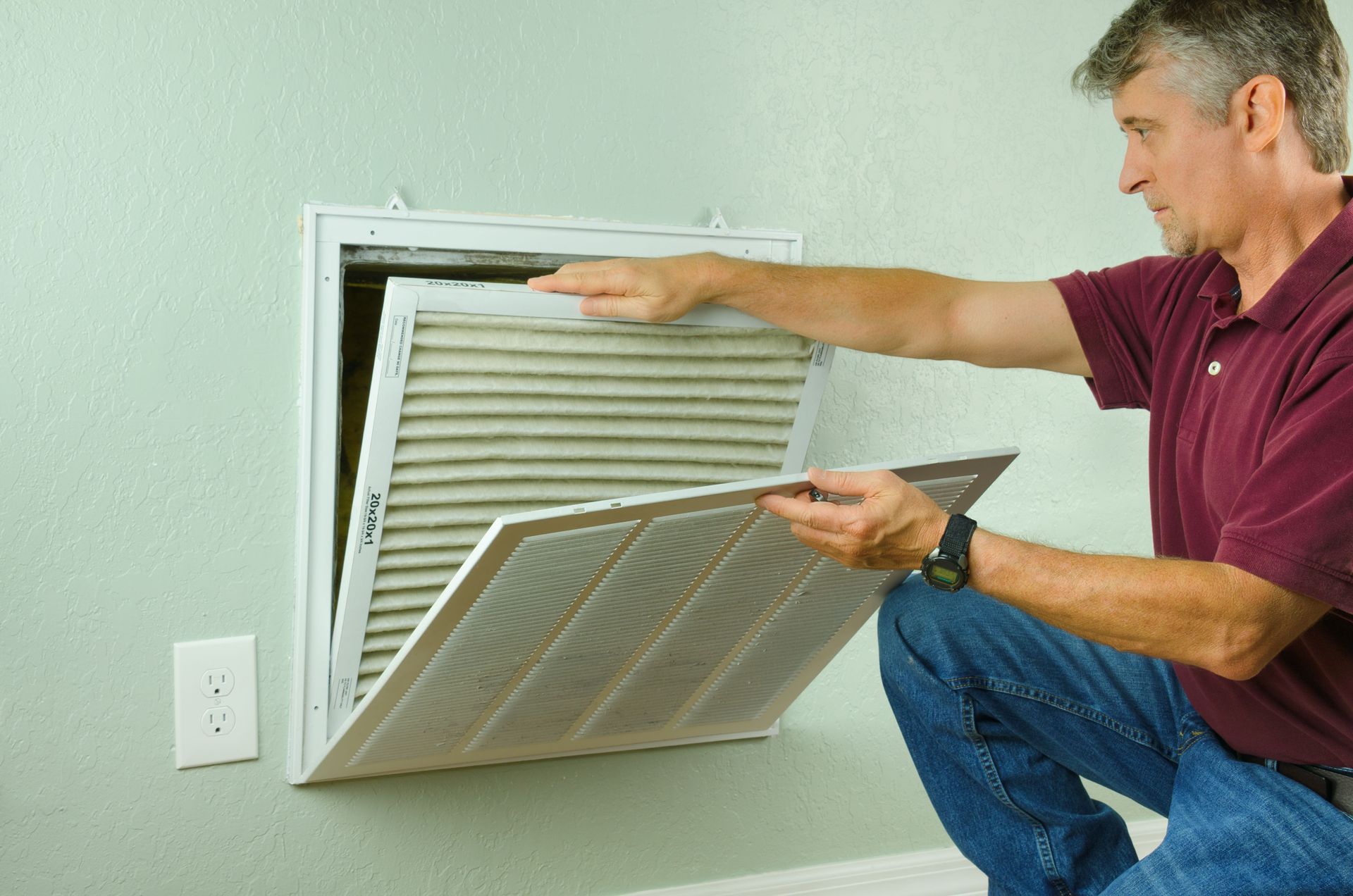
Factoring recurring maintenance expenses into the overall property budget ensures that ventilation systems deliver peak performance without surprises. Disposable options demand ongoing purchases, whereas washable alternatives require a commitment of time and labor to clean effectively and regularly. Neglecting these schedules results in restricted airflow, which strains components and accelerates mechanical breakdown. Establishing a predictive replacement timeline minimizes emergency repair costs and maximizes the value derived from every single air filter purchase.
The return on investment for clean indoor environments extends far beyond simple utility savings to encompass human performance and well-being. Businesses that cultivate pristine workspaces experience fewer employee sick days, higher daily output, and elevated morale across working departments. Similarly, homeowners save money on medical expenses and allergy prescriptions by keeping their living environments completely free from irritating allergens. Viewing purification as a proactive health investment reveals its true economic value.
Extending the operational lifespan of expensive heating and cooling machinery provides massive long-term financial relief for property owners everywhere. When internal components remain shielded from abrasive dust particles, mechanical friction decreases and vital parts experience far less wear. Replacing an entire centralized climate system is a major financial burden that can be delayed through proper preventative care. Investing in reliable protective barriers ensures that core machinery operates smoothly.
Prioritizing indoor air quality is a wise strategy that protects physical health while delivering measurable financial benefits over time. Understanding the distinct capabilities of various technologies allows individuals and organizations to tailor their choices to specific environmental challenges. Maintaining these systems properly lowers utility bills, boosts human productivity, and guards expensive machinery against premature mechanical failure. Let us help you select the perfect
air filter for your property; contact us at Colorado Air Filter LLC today to discover how we can protect your health and budget.