In recent years, air purification has become a crucial topic as people become more aware of indoor air quality and its impact on health. This article explores the scientific principles behind air purification systems, the technologies used, and their effectiveness in improving air quality. People worldwide are increasingly spending much of their time indoors, magnifying the importance of understanding air quality. By delving into the core science and innovations in air purification, we can appreciate the efforts involved in mitigating health risks associated with indoor pollutants. This comprehensive analysis offers insights into both traditional and modern air purification systems, providing a foundational understanding for consumers and researchers alike.
Understanding Air Pollutants
The Makeup of Air Pollutants
Air pollutants are substances in the air that can have adverse effects on human health or the environment. These pollutants may occur naturally or be a result of human activities. They include gases, odors, particles, and biological materials that may pose health risks. Indoor air pollutants are often more concentrated than outdoor pollutants due to the enclosed spaces. Addressing these pollutants is essential for maintaining a healthy living environment and minimizing health risks.
Common Indoor Air Pollutants
Common indoor air pollutants include volatile organic compounds (VOCs), particulate matter, carbon monoxide, and biological contaminants like mold and bacteria. VOCs are emitted as gases from various household products, while particulate matter can come from cooking, smoking, or other activities. Understanding the source and type of these pollutants helps in strategizing targeted air purification efforts. Many modern air purification systems are designed to specifically target these pollutants to improve indoor air quality. The severity and health impact of these pollutants make them a priority in air quality management.
Health Effects of Polluted Air
Exposure to polluted air is a leading environmental health risk and has been linked to various health problems, including respiratory diseases, allergies, and cardiovascular conditions. Long-term exposure can increase the risk of serious chronic health issues and affect vulnerable populations like children and the elderly more profoundly. According to the National Library of Medicine, 50% of all illnesses are caused by polluted indoor air. This alarming statistic underlines the necessity of improving indoor air quality with effective air purification systems. Reducing exposure can significantly improve health outcomes and quality of life.
Basic Principles of Air Purification
Filtration Technologies
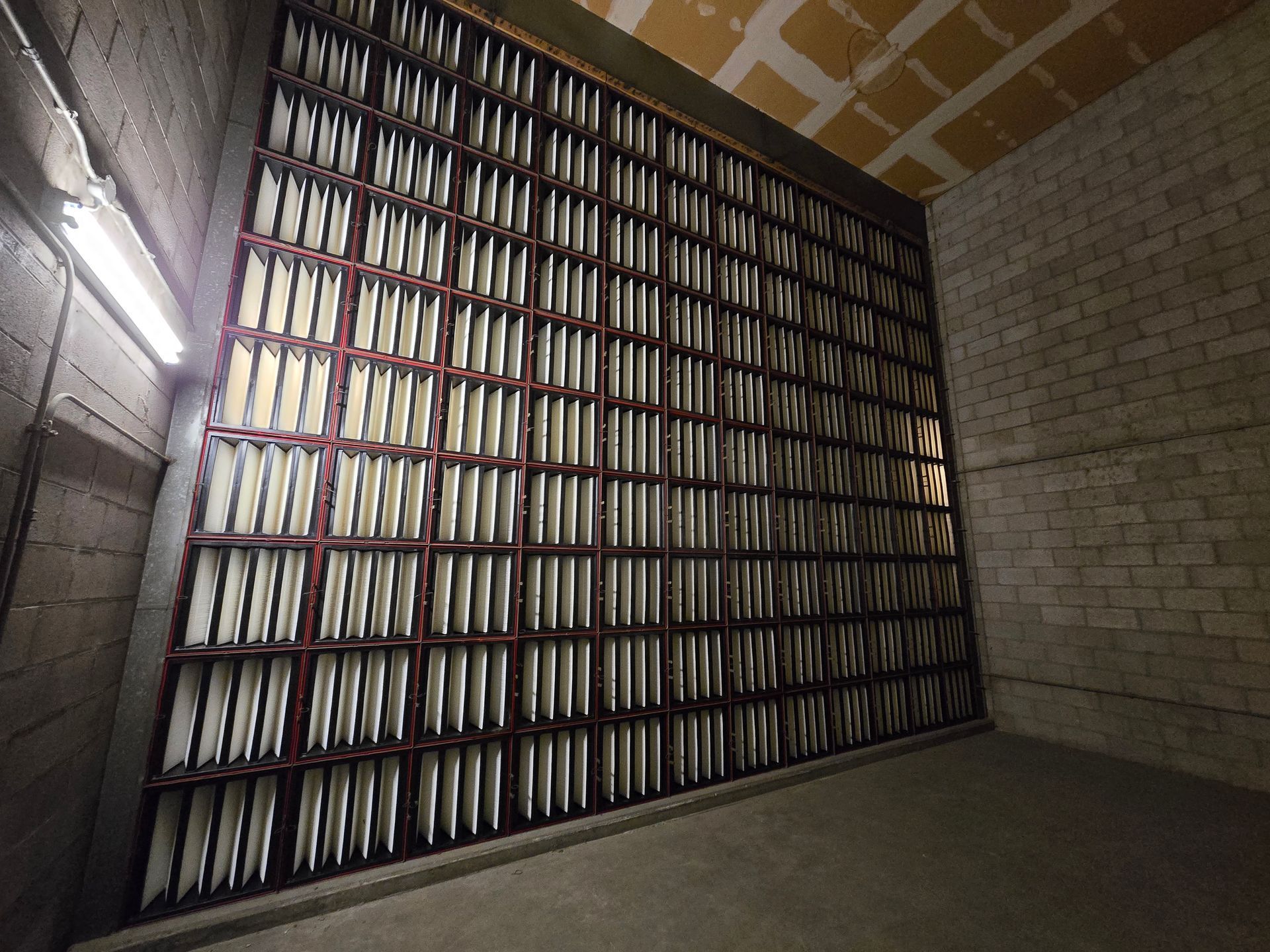
Filtration technologies are a cornerstone in air purification systems, efficiently trapping particles and contaminants. High-Efficiency Particulate Air (HEPA) filters are beneficial in removing particulates such as dust, pollen, smoke, and some microorganisms. The effectiveness of a filter depends on its material, design, and maintenance practices. Continuous innovation in filter technology aims to enhance efficiency and durability, making filtration even more effective.
Sorption Processes
Sorption processes involve the adhesion of pollutant molecules to a surface, effectively removing them from the air. Activated carbon is a popular material for sorption in air purifiers due to its large surface area and porosity, which allows it to trap gases and odors. This process is particularly effective for odors, VOCs, and gaseous pollutants that filtration cannot capture. The longevity and efficiency of sorption processes depend on the material's saturation and regeneration procedures. Continuous research and development are focused on improving sorbent materials to extend their useful life and reduce maintenance needs.
Chemical Reaction Mechanisms
Chemical reactions are employed in some air purifiers to neutralize or transform pollutants into less harmful substances. Photocatalytic oxidation (PCO) is a method that uses UV light and a photocatalyst to generate reactive species that break down pollutants. The resulting chemical reactions can effectively reduce VOCs and other toxins. However, this technology can sometimes produce byproducts, such as ozone, which also need management. Understanding the balance and reactions involved is crucial for optimizing these technologies and ensuring indoor safety.
Types of Air Purification Systems
HEPA Filters
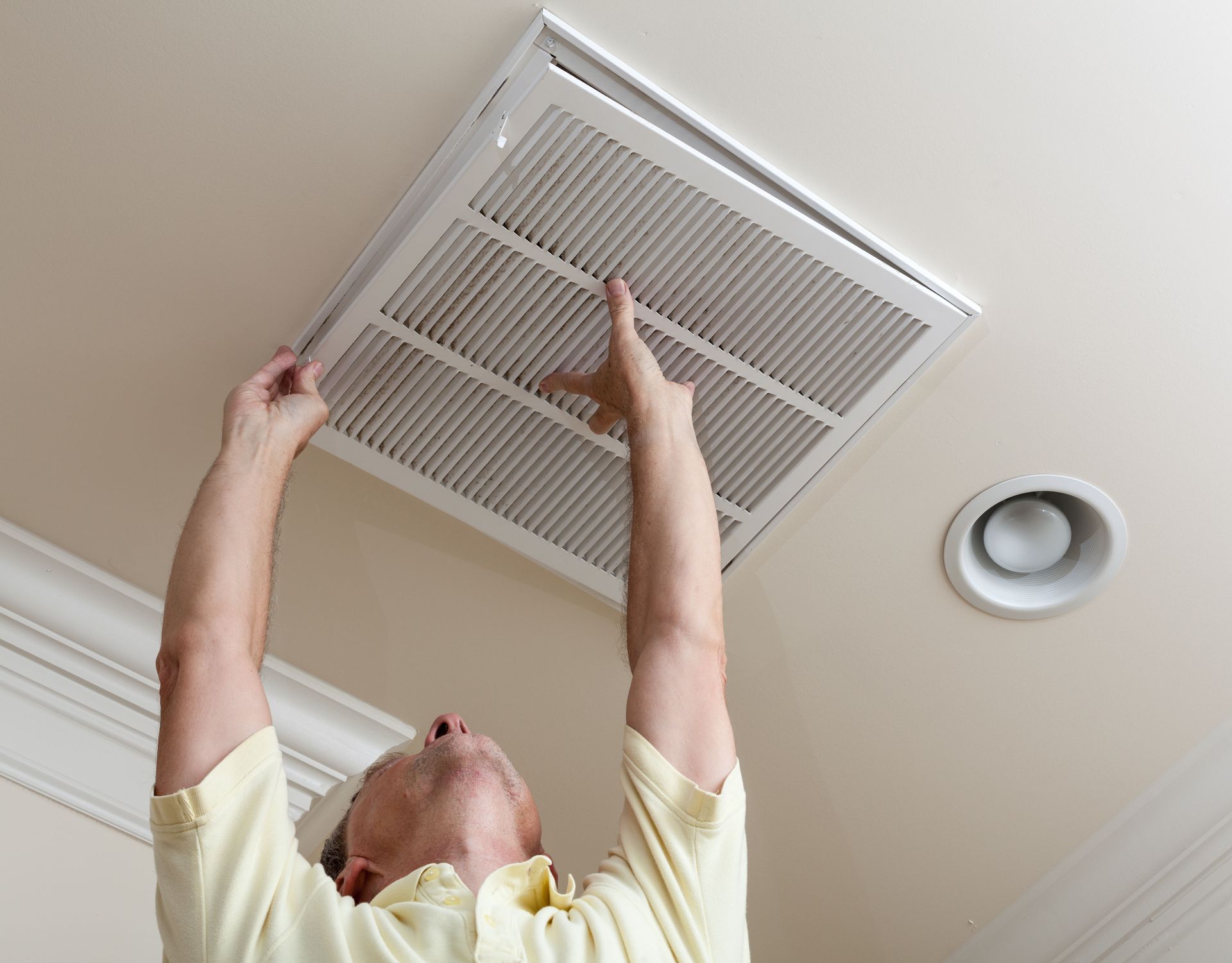
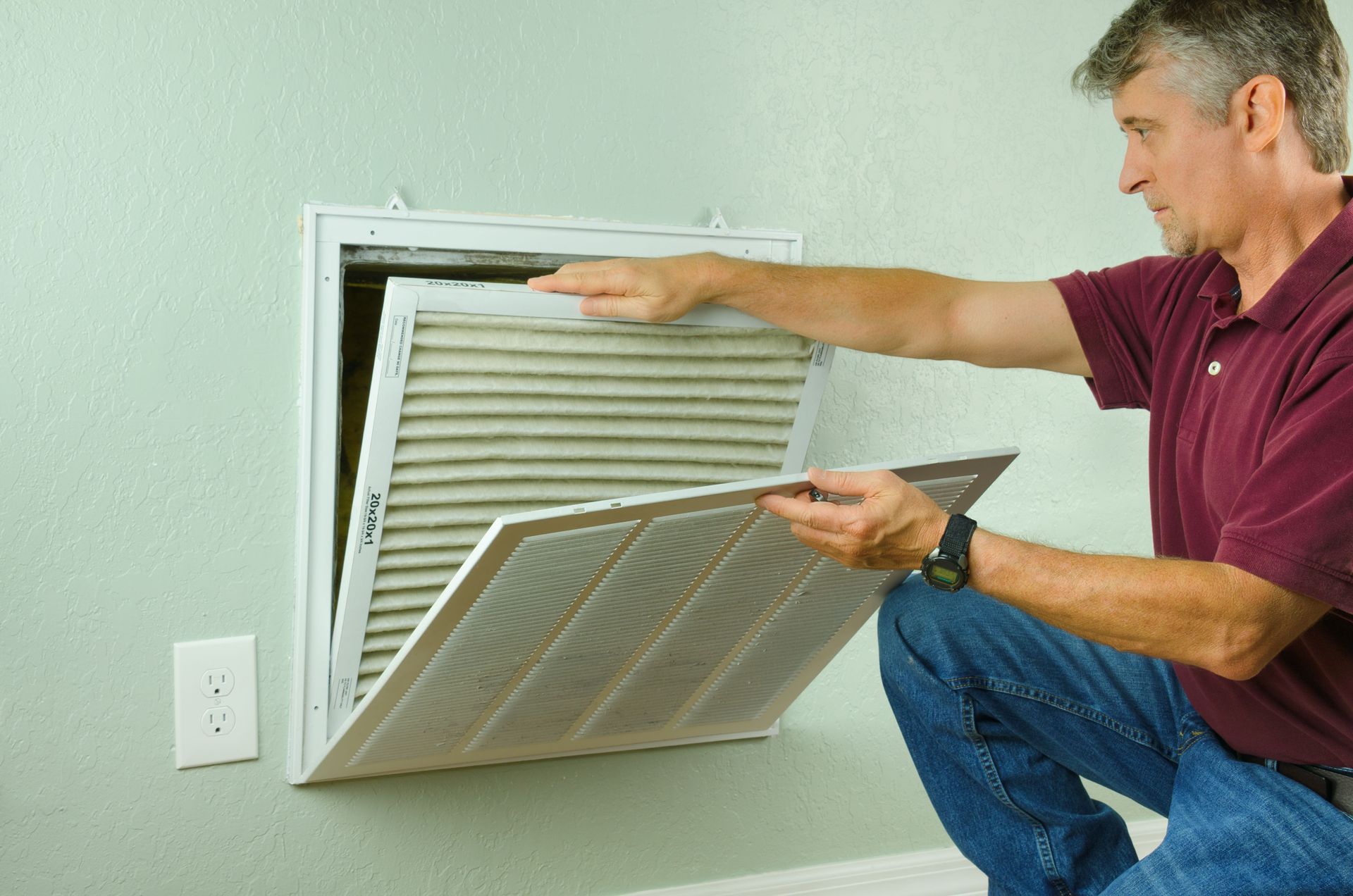
HEPA filters are among the most recognized air purification technologies due to their superior effectiveness. They can capture various pollutants such as dust, pollen, and pet dander, making them ideal for residential and commercial settings. The design and construction of HEPA filters ensure they maintain efficiency over a prolonged period, even with substantial pollutant loads. Maintenance involves regular filter replacement to prevent saturation, ensuring continued high performance. Their widespread use underscores their reliability and accessibility for improving indoor air quality.
Activated Carbon Filters
Activated carbon filters are essential in removing gases, odors, and chemicals from the air. These filters work through adsorption, where pollutants bond to the carbon's surface, effectively trapping them. Another advantage of carbon filters is their ability to target VOCs, an area where many other purifier types fall short. Regularly replacing or regenerating activated carbon ensures consistent efficacy. These filters are often used in combination with other technologies, like HEPA filters, to provide comprehensive air cleaning solutions.
Ionization Technologies
Ionization technologies work by emitting charged particles into the air, which bond with pollutants and cause them to fall to surfaces for easy removal. These technologies can be effective against a variety of pollutants, including allergens and some pathogens. However, like all purification methods, they come with considerations regarding byproduct production, like ozone, which must be managed carefully. Developments in this field are focused on increasing the ionization head's targeted efficiency and reducing any potential negative effects. Consumers need to consider these aspects when evaluating such systems for their indoor settings.
Evaluating the Efficiency of Air Purifiers
Clean Air Delivery Rate (CADR)
The Clean Air Delivery Rate (CADR) is a measure of an air purifier's efficiency that indicates the volume of air it can purify per minute. It covers smoke, pollen, and dust removal ratings, helping consumers assess the performance of their air purification systems. A higher CADR suggests better efficiency in air cleaning, important for large spaces. Various factors, such as room size, occupancy, and pollution levels, influence the ideal CADR choice. Understanding CADR is critical for selecting an air purifier that matches specific air quality requirements effectively.
Efficiency Testing Standards
Efficiency testing standards, such as those established by the Association of Home Appliance Manufacturers (AHAM), provide benchmarks for purifier performance. Adherence to these standards ensures that air purifiers meet minimal efficacy and safety criteria. These standards are essential in guiding both manufacturers in product development and consumers in making informed purchase decisions. Regular updates to standards reflect technological advances and emerging health insights. Territories with rigorous testing standards help reassure consumers that products will perform as marketed, greatly benefiting public trust.
Factors Affecting Performance
Several factors can influence an air purifier's performance, including filter type, pollutant type, environmental conditions, and maintenance practices. Using air purifiers outside their designed specifications can lead to decreased performance or maintenance complications. The arrangement and design of the system can also play a crucial role in determining performance. Optimal performance is dependent on choosing the right purification system and consistently maintaining its components. Understanding and managing these factors ensures the air purification system operates efficiently and lasts longer.
Air purification systems are built on a combination of well-established scientific principles and evolving technologies aimed at improving indoor air quality. From understanding the wide range of indoor pollutants to examining how filtration, sorption, and chemical reactions remove or transform contaminants, it is clear that effective air cleaning relies on multiple complementary mechanisms working together. As indoor environments continue to dominate daily life, the demand for cleaner, healthier air will only grow. Ongoing research and innovation in air purification technologies promise even greater efficiency, safety, and sustainability in the future. Ultimately, understanding the science behind these systems empowers individuals to make better choices that support long-term health and well-being. To learn even more about commercial air purification and see what services are available to you, reach out to Colorado Air Filter LLC today.