When most people think about keeping their homes safe, they think about door locks, smoke alarms, and carbon monoxide detectors. Indoor air quality rarely receives the same attention, even though the air inside a home can contain dust, pollen, pet dander, smoke, odors, and other contaminants that affect comfort and well-being.
Modern energy-efficient homes are designed to reduce air leakage and lower heating and cooling costs. While that improves energy performance, it can also allow indoor contaminants to accumulate when ventilation and filtration are not properly managed.
Furniture, carpeting, cleaning products, cooking, pets, outdoor air, and everyday household activity can all affect indoor air quality. A well-designed filtration strategy can help reduce airborne contaminants, protect HVAC equipment, and create a cleaner indoor environment.
Unfortunately, indoor air filtration is often surrounded by confusing claims and unrealistic expectations. Understanding what filtration can—and cannot—do helps homeowners make better decisions.
Misconception 1: A Clean Home Does Not Need Air Filtration
A home can look spotless and still contain a significant amount of airborne contamination.
Dusting, vacuuming, and cleaning remove particles from floors and surfaces, but many airborne particles are too small to see. Pollen, fine dust, smoke particles, mold spores, and pet dander can remain suspended in the air and circulate through the HVAC system.
Some indoor air-quality concerns are also caused by gases rather than particles. Volatile organic compounds, commonly called VOCs, may be released by paint, carpeting, furniture, cleaning products, adhesives, and fragrances.
Standard particulate filters are not designed to remove every gaseous contaminant. Applications involving odors or VOCs may require activated carbon or another type of molecular filtration media.
Good housekeeping and effective filtration work together. One does not replace the other.
Misconception 2: All Filtration Products Provide the Same Protection
Not all air filters perform the same way.
Basic fiberglass filters are generally designed to protect HVAC equipment from larger debris. They may capture lint, hair, and coarse dust, but they provide limited control of smaller airborne particles.
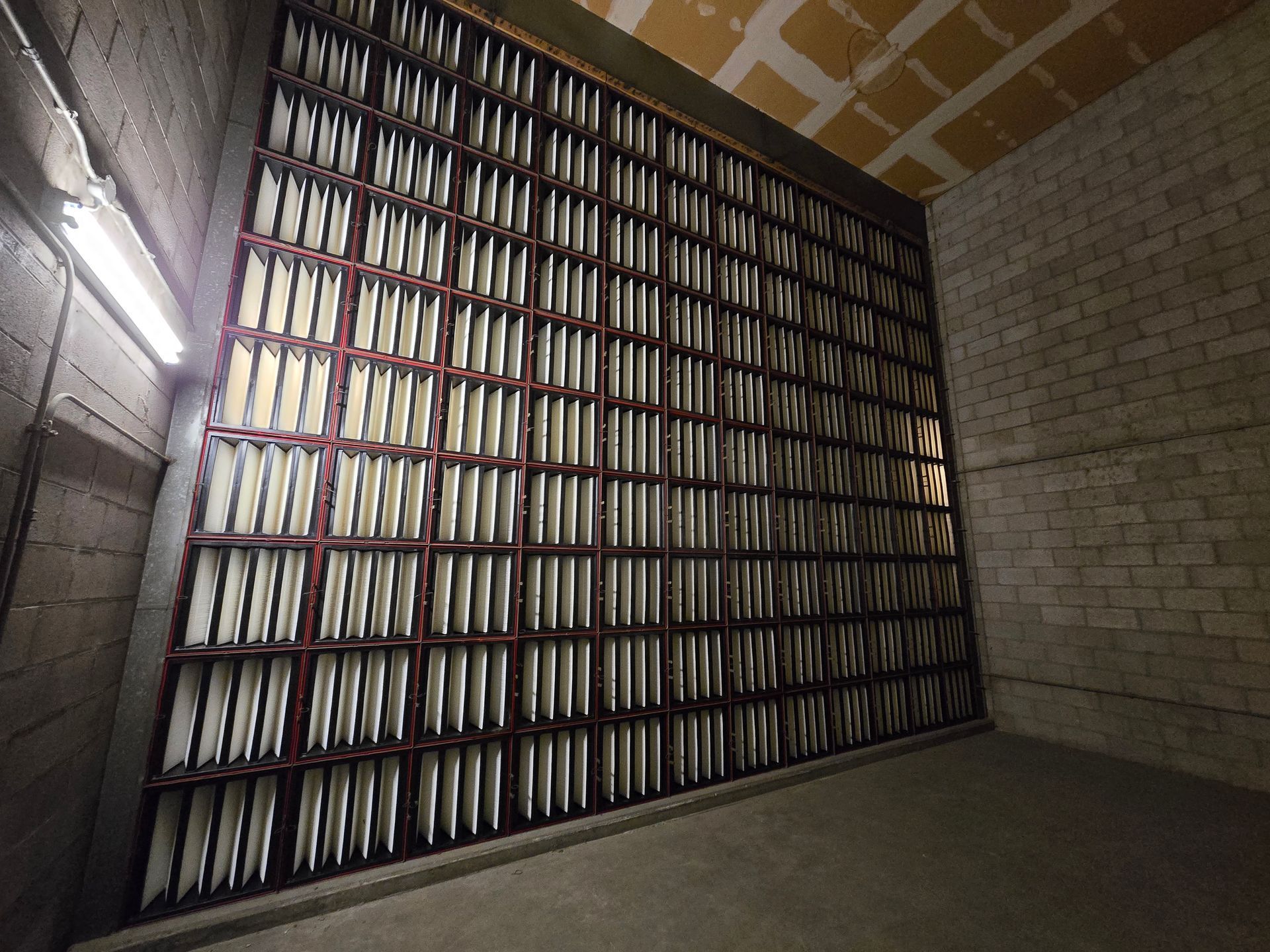
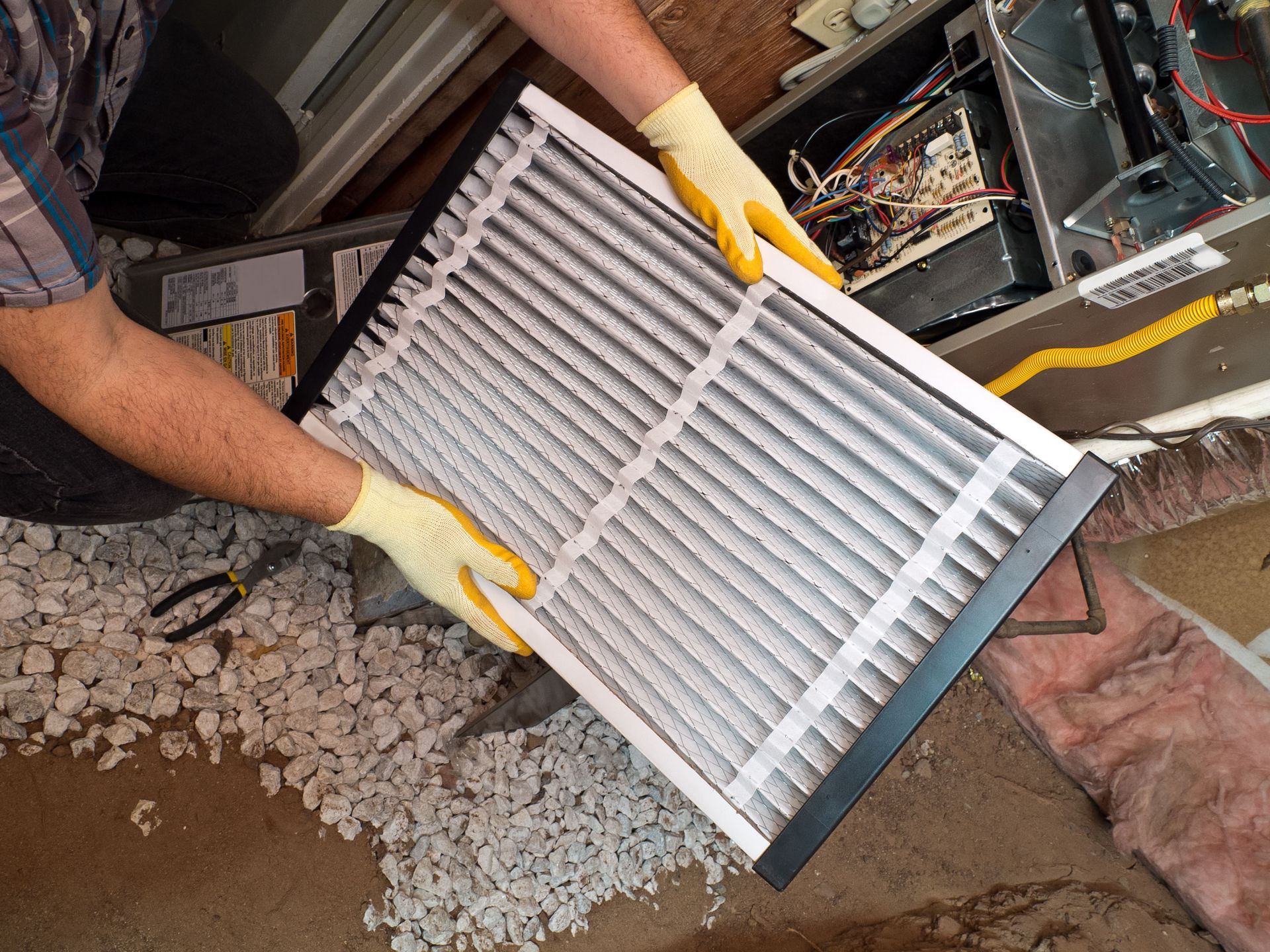
Pleated and high-efficiency filters provide more filtration surface area and can capture smaller particles, depending on their construction and MERV rating. Some residential systems can also incorporate activated carbon for odor control or other technologies designed for specific indoor air-quality concerns.
The correct filter depends on the HVAC system, the household environment, and the desired level of filtration.
Installing the highest-efficiency filter available is not always the right answer. The filter must also be compatible with the system’s available airflow and fan capacity. A filter that is too restrictive can reduce airflow and place unnecessary strain on the equipment.
The best solution balances particle-capture efficiency, airflow, pressure drop, filter life, and system capability.
Misconception 3: Filtration Is Only Needed When the Air Smells Bad
Airborne contaminants are present whether or not you can smell them.
Everyday activities such as cooking, cleaning, opening doors, walking across carpeting, and allowing pets indoors can introduce or disturb airborne particles. Outdoor pollutants can also enter through doors, windows, ventilation systems, and small gaps in the building.
Odor is not a reliable measurement of indoor air quality. Some contaminants have a noticeable smell, while others are completely odorless.
Whole-home HVAC filtration works whenever the system fan is moving air. In some homes, operating the fan more consistently can increase the amount of air passing through the filter, but the correct fan settings depend on the HVAC system and energy objectives.
Filtration should be part of a continuous indoor air-quality strategy, not something considered only when an odor becomes noticeable.
Misconception 4: A High-Efficiency Filter Cures Asthma or Allergies
High-efficiency filtration can help reduce airborne pollen, dust, pet dander, and other particles that may contribute to allergy or asthma symptoms. However, filtration is an environmental control measure—not a medical treatment or cure.
A filter can reduce the concentration of contaminants circulating through the HVAC system, but it cannot eliminate every source of exposure.
Pet dander may remain on furniture. Pollen can be carried indoors on clothing. Dust mites may be present in bedding and carpeting. Mold growth requires moisture control and remediation, not filtration alone.
A complete indoor air-quality strategy may include:
- Appropriate HVAC filtration
- Regular cleaning
- Humidity control
- Adequate ventilation
- Source removal
- Proper HVAC maintenance
- Medical guidance when appropriate
Filtration can be an important part of managing the indoor environment, but it should not be presented as a replacement for professional medical care.
Misconception 5: A Better Filter Eliminates the Need to Dust
An effective filter may reduce how quickly dust collects, but it will not eliminate household cleaning.
Air filters capture particles while they are suspended in the air and moving through the HVAC system. Heavier particles often settle on floors, furniture, shelves, and other surfaces before they reach the filter.
Large pet hair, crumbs, soil, and coarse debris are more likely to fall onto surfaces than remain airborne long enough to enter the return-air system.
Once those particles settle, the HVAC filter cannot remove them unless they become airborne again.
Regular dusting and vacuuming remain necessary. Filtration helps control airborne particles, while cleaning removes contaminants that have already settled.
Misconception 6: If the House Smells Clean, the Air Is Clean
A pleasant smell does not necessarily indicate healthy indoor air.
Candles, plug-in air fresheners, cleaning sprays, scented oils, and aerosol products can release fragrances and VOCs into the home. These products may mask unwanted odors without removing the source of the problem.
Some serious indoor contaminants are also odorless. Carbon monoxide and radon cannot be detected by smell and require appropriate testing or detection equipment.
Particle filters are designed to capture airborne particles. They do not automatically remove gases, odors, or VOCs.
Odor and gas-control applications may require activated carbon or other molecular filtration products. Even then, the filtration system must be properly sized and maintained for the specific contaminant.
True indoor air-quality improvement comes from identifying the source, controlling it, providing proper ventilation, and selecting the correct filtration technology.
Misconception 7: A Filter Can Stay in Service as Long as It Looks Clean
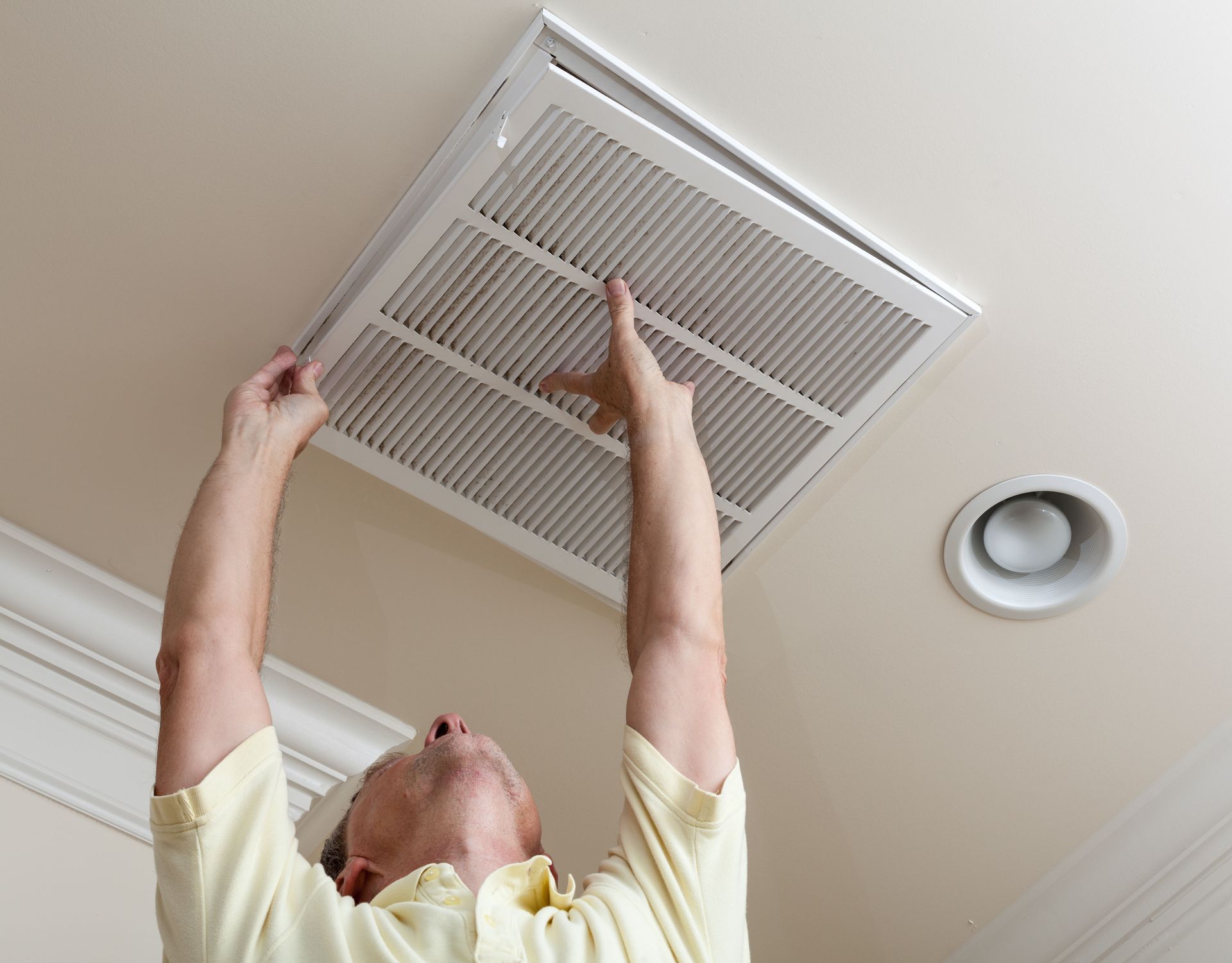
Appearance alone is not a reliable way to determine whether a filter should be replaced.
High-efficiency filters capture large quantities of fine particles throughout the depth of the filter media. A filter may still look relatively clean while its resistance to airflow has increased.
As the filter loads, the HVAC system must work harder to move air through it. Excessive resistance can contribute to:
- Reduced airflow
- Higher energy consumption
- Uneven heating or cooling
- Increased equipment strain
- Frozen cooling coils
- Reduced system performance
Filter life depends on several factors, including:
- Filter type
- Household activity
- Pets
- Outdoor air conditions
- Construction or remodeling
- Wildfire smoke
- HVAC operating hours
- Filter size and surface area
Manufacturer recommendations are a good starting point, but actual replacement frequency should reflect the conditions inside the home.
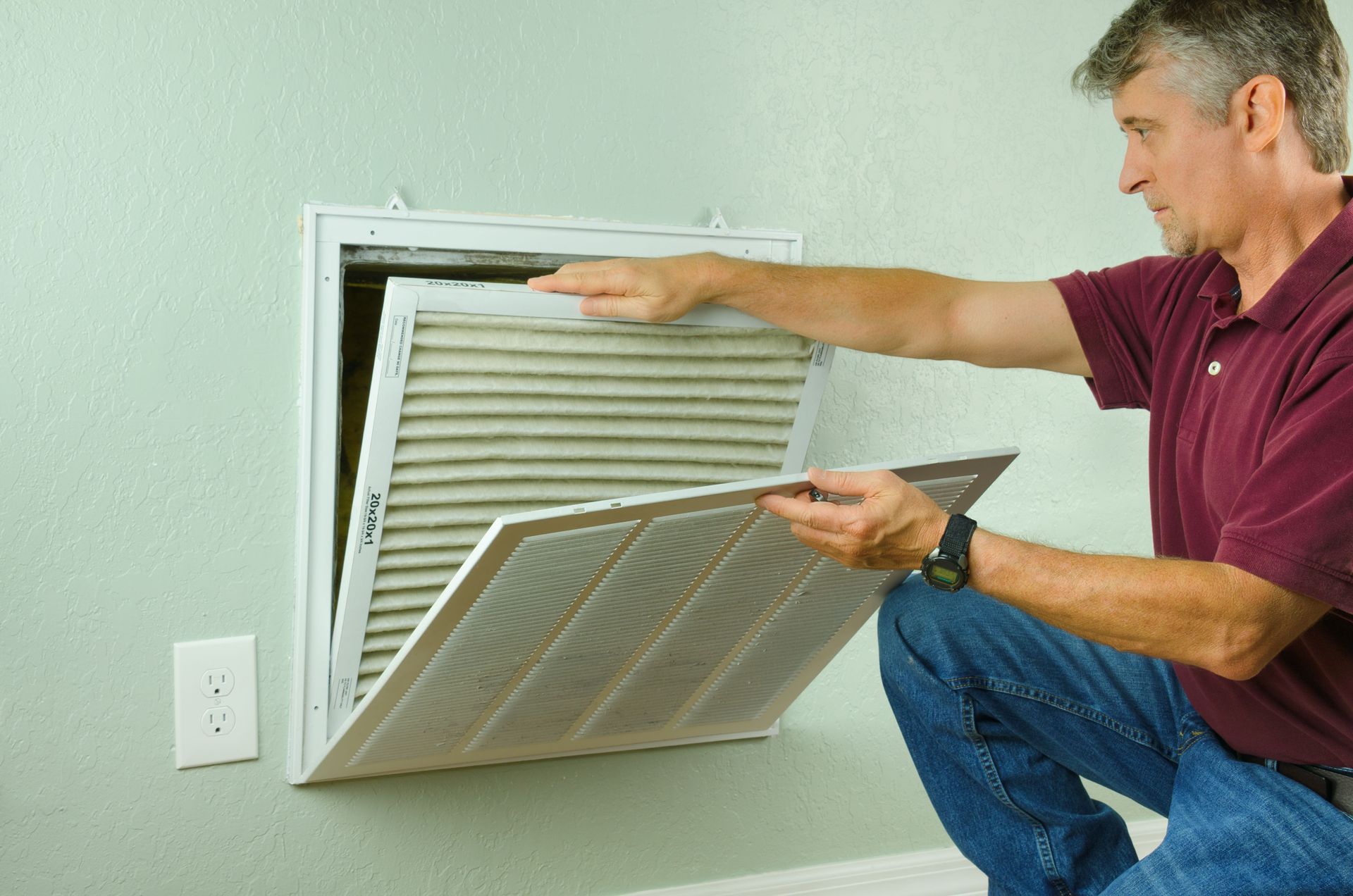
A filter should also fit correctly within the system. Gaps around the filter allow air to bypass the media, reducing filtration performance and allowing dust to accumulate inside the HVAC equipment.
Choosing the Right Filter for Your Home
The right residential filter is not necessarily the cheapest filter or the filter with the highest MERV rating.
It is the filter that delivers the appropriate level of particle capture while maintaining the airflow required by the HVAC system.
Colorado Air Filter can help homeowners evaluate:
- Filter size and fit
- MERV rating
- High-efficiency filter options
- Airflow requirements
- Replacement frequency
- Odor and gas-control options
- Whole-home filtration upgrades
- Custom filter sizes
We focus on practical solutions that improve indoor air quality without creating unnecessary problems for the HVAC equipment.
Most suppliers sell whatever filter is on the shelf. We help customers select the right filter for the application.
Contact Colorado Air Filter to review your current filtration setup and find the right balance between cleaner air, equipment protection, airflow, and operating cost.