By Keith Jordan
April 14, 2026
Maintaining high air quality standards in airports is critical for protecting passengers, staff, and overall facility performance. Airports operate as high-traffic, high-demand environments with constant movement, equipment operation, and exposure to outside air. These conditions introduce airborne contaminants that, without proper filtration, continuously circulate throughout terminal buildings. Over time, poor filtration impacts indoor air quality, occupant comfort, and HVAC system performance. At Colorado Air Filter, we approach air filtration in airports not as a commodity, but as a critical component of operational reliability. Consistent air quality management also supports regulatory compliance and helps facilities meet evolving health and safety expectations. As passenger volumes continue to grow, maintaining stable filtration performance becomes increasingly important for operational continuity.
The Role of Airport Air Filters in Commercial HVAC Systems
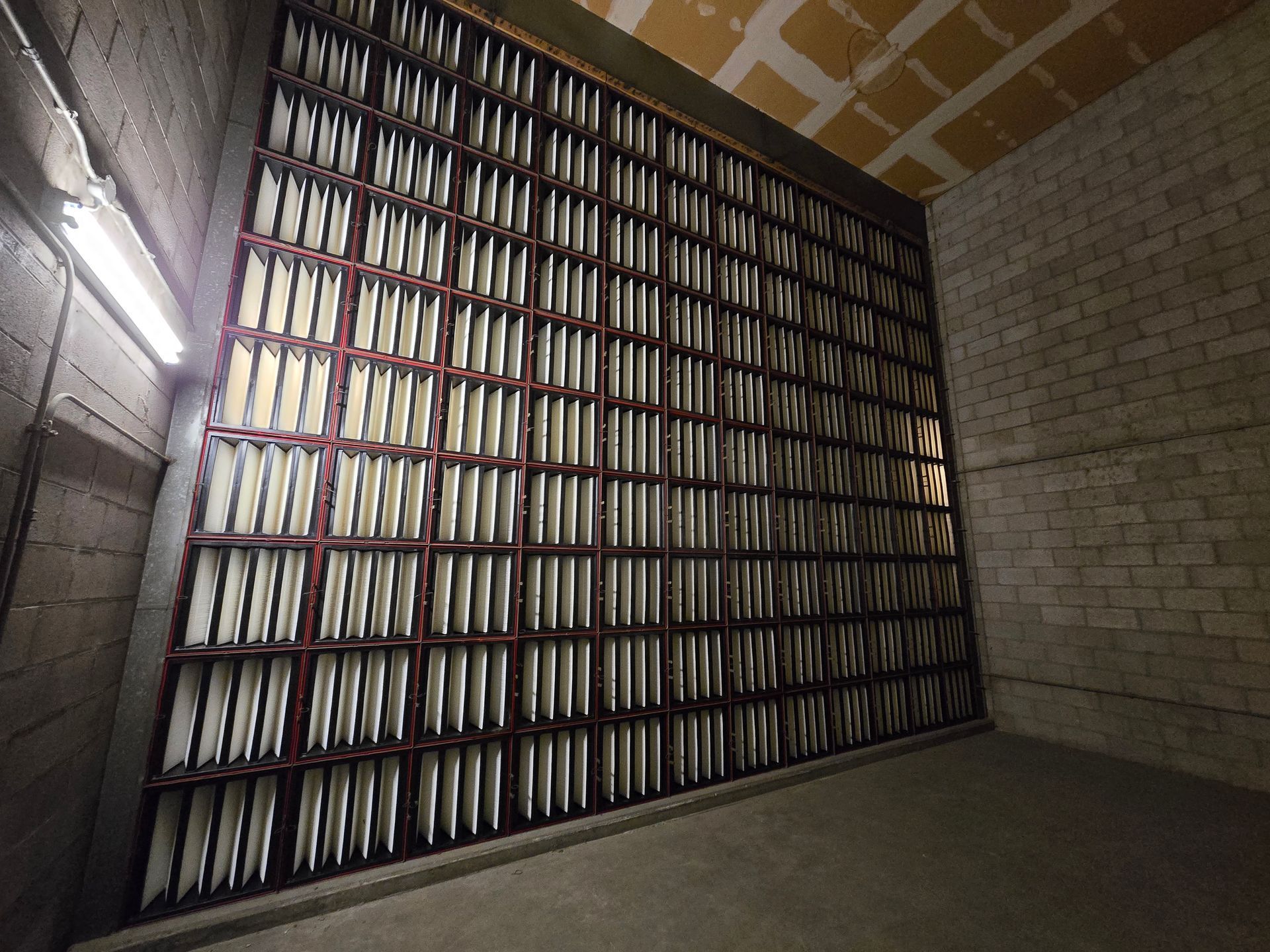
Airport air filters are essential components within commercial HVAC systems, designed to remove airborne contaminants before they circulate throughout the building. These systems must handle large volumes of air while maintaining consistent performance under demanding conditions. High passenger volume, frequent door openings, and exposure to pollutants from aircraft and ground vehicles all contribute to increased filtration demands. Proper filtration supports indoor air quality, protects HVAC equipment, and helps facilities maintain compliance with environmental and operational standards. In environments where uptime and consistency matter, filtration plays a central role in overall facility performance. Effective filtration also helps reduce strain on downstream HVAC components, improving overall system efficiency. When properly designed and maintained, these systems can significantly extend equipment lifespan and reduce operational disruptions.
Air Quality Challenges in Airport Environments
Airports face unique challenges that increase the demand on HVAC filtration systems. High levels of particulate matter are constantly introduced from aircraft operations, ground transportation, passenger traffic, and surrounding infrastructure. These contaminants must be continuously captured to maintain acceptable air quality levels. In addition, large terminal spaces require high volumes of airflow, placing additional stress on filtration systems. Airport air filters must perform effectively without restricting airflow, as reduced airflow can negatively impact system efficiency and increase energy consumption. Environmental variability, including weather patterns and seasonal air quality changes, further complicates filtration requirements and reinforces the need for proactive system management. These combined factors make airports one of the most demanding environments for air filtration performance. Without proper system design, contaminants can accumulate quickly and compromise indoor conditions.
Managing Air Filter Replacement for Performance
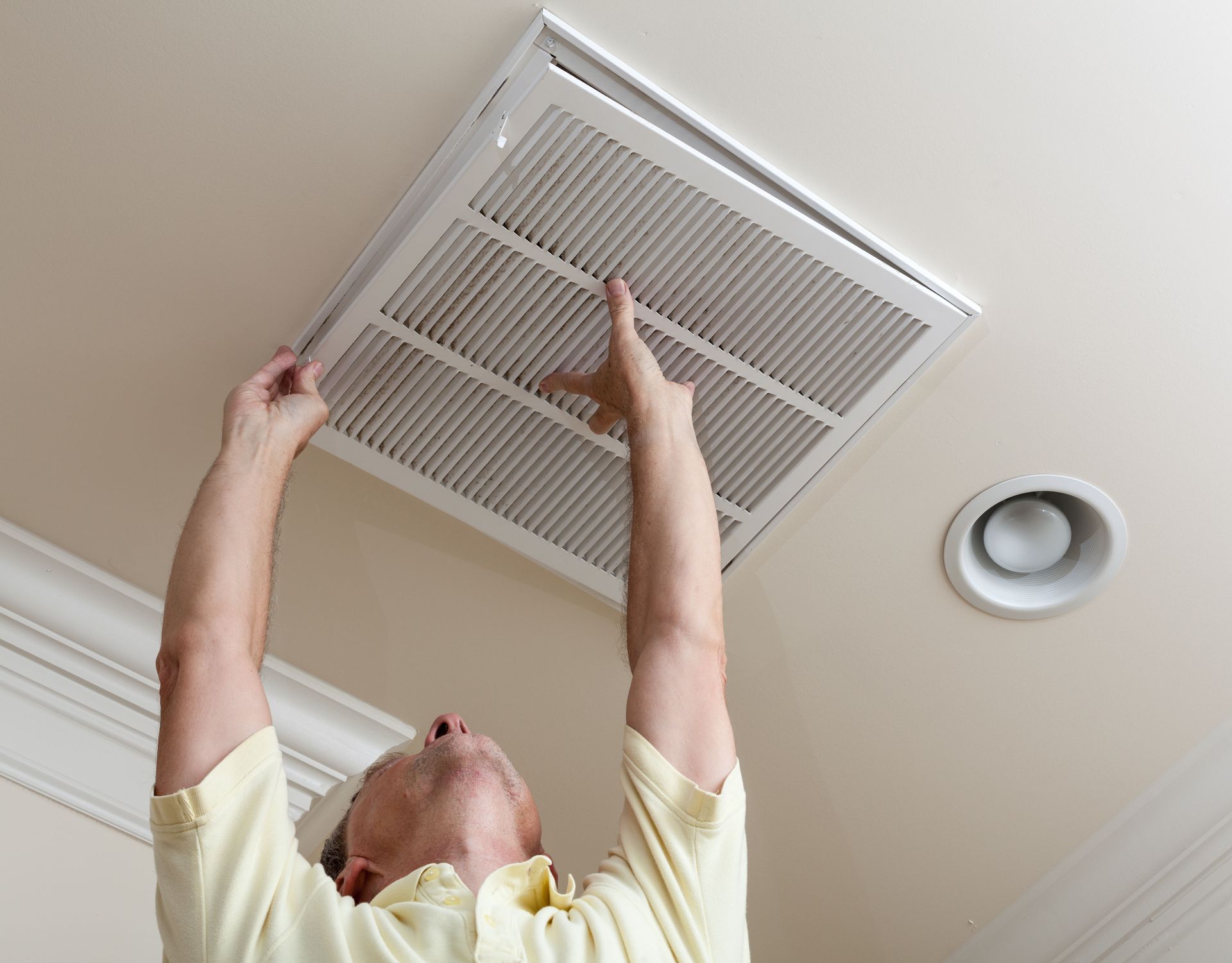
Managing air filter replacement schedules is one of the most important aspects of maintaining effective filtration in airport environments. Airport air filters that are not replaced at the appropriate time can lead to reduced air quality, increased energy consumption, and unnecessary strain on HVAC equipment. According to Townsend Energy, it's recommended that air filters be changed at least once every six to 12 months, but real-world performance can depend on factors such as airflow demand, environmental exposure, and facility usage. A performance-based approach to filter replacement allows facility teams to maintain optimal system performance while avoiding premature replacements or system inefficiencies. Regular monitoring can also help identify early signs of filter saturation before system performance is impacted. Establishing a consistent maintenance schedule helps ensure reliability across all HVAC zones in large airport facilities.
Operational Risks of Poor Filtration
Delaying filter maintenance creates operational risks that extend beyond air quality. As airport air filters become clogged, airflow is restricted, forcing HVAC systems to work harder to maintain performance. This leads to increased energy consumption, accelerated wear on system components, and a higher likelihood of equipment failure. In high-demand environments like airports, these issues can escalate quickly and result in costly disruptions. Reliable filtration is therefore not just a maintenance task, but a preventative strategy that protects both system performance and operational continuity. Poor filtration can also contribute to uneven temperature control across terminals, affecting passenger comfort. Over time, neglected filters can significantly reduce overall system efficiency and increase total operating costs.
Best Practices for Airport Filtration Systems
Overcoming filtration challenges in airports requires a proactive and structured approach. Continuous operation and high contaminant levels make frequent inspections and maintenance essential. While budget considerations are always a factor, underinvesting in filtration often results in higher long-term costs due to increased energy usage, equipment wear, and unplanned maintenance. Extending the life of airport air filters and improving overall system performance depend on implementing best practices. Pre-filtration can be used to capture larger particles before they reach primary airport air filters, reducing overall load and extending service life. Selecting the correct filter type for high-demand environments ensures a proper balance between particle capture and airflow. Routine inspections allow facility teams to identify issues early, while data-driven maintenance strategies provide insight into filter performance and replacement timing. Standardizing filtration protocols across all HVAC systems can further improve consistency and reliability.
Why Filtration Impacts Long-Term Facility Performance
Air filtration in airports impacts far more than indoor air quality. It directly affects HVAC system reliability, energy efficiency, maintenance costs, and occupant experience. In complex commercial environments, filtration becomes an integral part of facility operations rather than a standalone component. Maintaining consistent, high-performing filtration systems helps ensure that buildings operate efficiently and meet the demands placed on them. Proactive filtration management also helps minimize unexpected downtime and costly emergency repairs. Over time, optimized filtration contributes to more predictable operating budgets and improved system longevity. As airports continue to evolve, dependable filtration remains a key factor in sustaining high-performance facility operations. Strong filtration practices also support sustainability goals by reducing overall energy consumption. This makes filtration management an important part of long-term facility planning strategies. It also plays a critical role in supporting occupant health and reducing exposure to airborne contaminants throughout busy terminal environments.
Partnering With a Commercial Filtration Expert
Airports require more than just a filter supply. They require a partner who understands the operational realities of large-scale commercial HVAC systems. At Colorado Air Filter, we work with facilities to recommend the right filtration solutions, support maintenance planning, and improve overall system performance. Our focus is on execution, reliability, and ensuring that filtration systems perform when it matters most. By leveraging industry expertise, facilities can implement more efficient and tailored filtration strategies. Ongoing support and consultation allow teams to adapt to changing conditions and performance requirements. This collaborative approach helps ensure long-term success and consistent operational performance. Working with an experienced partner also helps facilities stay ahead of regulatory changes and evolving industry standards. This level of support ultimately allows facility teams to focus on core operations while maintaining confidence in their air quality systems.
Maintaining effective airport air filters is essential for supporting indoor air quality, system performance, and long-term operational success. In environments where passenger volume, equipment demands, and environmental exposure are constantly shifting, filtration systems must be both reliable and adaptable. A well-managed filtration strategy not only protects HVAC infrastructure but also contributes to a safer, more comfortable experience for everyone within the facility. By prioritizing proactive maintenance, proper filter selection, and performance monitoring, airports can reduce operational risks while improving efficiency and cost control over time. Investing in the right filtration approach today helps future-proof airport operations against rising demand and evolving air quality standards. With the right strategy in place, facilities can maintain consistent performance even under the most challenging operating conditions. Reach out to Colorado Air Filter LLC to learn more about our airport air filters today.