By Keith Jordan
March 13, 2026
Indoor air quality has become a major priority for facility managers, property owners, and building engineers responsible for maintaining healthy, efficient commercial environments. As modern buildings become more energy efficient and tightly sealed, airborne contaminants can accumulate indoors and circulate through HVAC systems.
Commercial HVAC air filters play a critical role in controlling these contaminants. Proper filtration through air purification systems helps maintain healthier indoor environments, protect HVAC equipment, and support reliable building performance.
For offices, healthcare facilities, industrial sites, data centers, and other commercial spaces, choosing the right commercial air filters is an essential part of effective building management.
Why Indoor Air Quality Matters in Commercial Buildings
Indoor air quality affects far more than comfort. Poor air quality can influence:
- Occupant health
- Employee productivity
- HVAC system efficiency
- Building maintenance costs
- Equipment longevity
Airborne contaminants such as dust, pollen, mold spores, and fine particulate matter are constantly introduced into commercial spaces through outdoor air, foot traffic, ventilation systems, and daily operations.
Without effective filtration from air purification systems, these particles recirculate through HVAC systems and accumulate throughout the building.
This is why commercial HVAC filtration systems are essential for maintaining clean and stable indoor environments.
Common Sources of Indoor Air Contaminants
Commercial facilities experience constant exposure to airborne particles. Common sources include:
- Outdoor pollutants entering through ventilation systems
- Construction dust and building materials
- Equipment operation
- Foot traffic and occupant activity
- Cleaning chemicals and maintenance products
- Mold spores and organic particles
- Industrial processes
Because many commercial buildings are designed to limit outside air leakage for energy efficiency, these contaminants can remain trapped indoors and continue circulating through HVAC systems.
Proper commercial air filter systems help capture these particles before they spread throughout the building.
How Indoor Air Quality Affects Occupants
Poor indoor air quality can lead to several common health symptoms, including:
- Headaches
- Fatigue
- Eye irritation
- Respiratory discomfort
- Nasal congestion
- Coughing
In commercial environments, these symptoms can affect employee comfort, productivity, and overall workplace performance.
For facilities such as healthcare buildings, schools, and offices, maintaining clean air with air purification systems is essential for supporting occupant well-being and creating a healthier indoor environment.
How Much Time People Spend Indoors
Indoor air quality becomes even more important when considering how much time people spend inside buildings.
According to the U.S. Environmental Protection Agency, Americans spend approximately 90% of their time indoors in homes, offices, schools, and other enclosed environments.
Because indoor air dominates daily exposure, improving commercial air filtration with air purification systems can significantly enhance occupant comfort and health over time.
The Role of Commercial HVAC Air Filters
Commercial HVAC air filters serve two essential functions:
- Improving indoor air quality
- Protecting HVAC equipment
Filters capture airborne particles before they circulate throughout the building or accumulate inside HVAC components.
Higher-efficiency filters capture smaller particles and help maintain cleaner air throughout commercial spaces.
Proper filtration with air purification systems also prevents dust and debris from building up on coils, fans, and other HVAC system components.
Benefits of High-Quality Commercial Air Filters
Upgrading to high-performance commercial HVAC air filters provides several operational advantages.
Improved Indoor Air Quality
High-efficiency filters capture a greater percentage of airborne particles such as dust, pollen, and fine particulates. This helps maintain cleaner air and reduces the number of contaminants circulating through the building.
Better HVAC System Efficiency
Dust accumulation on HVAC components can reduce airflow and increase energy consumption. Effective filtration keeps system components cleaner, allowing HVAC equipment to operate more efficiently.
Extended Equipment Life
By preventing debris from accumulating inside the HVAC system, commercial air filters reduce mechanical wear and help extend equipment lifespan.
Reduced Maintenance Costs
Cleaner HVAC systems require fewer service calls and less frequent cleaning, helping facility managers control maintenance expenses.
Choosing the Right Commercial Air Filters
Selecting the correct air filter depends on several factors, including:
- HVAC system design
- Building size
- Occupancy levels
- Airflow requirements
- Industry regulations
- Environmental conditions
Common filter types used in commercial HVAC systems include:
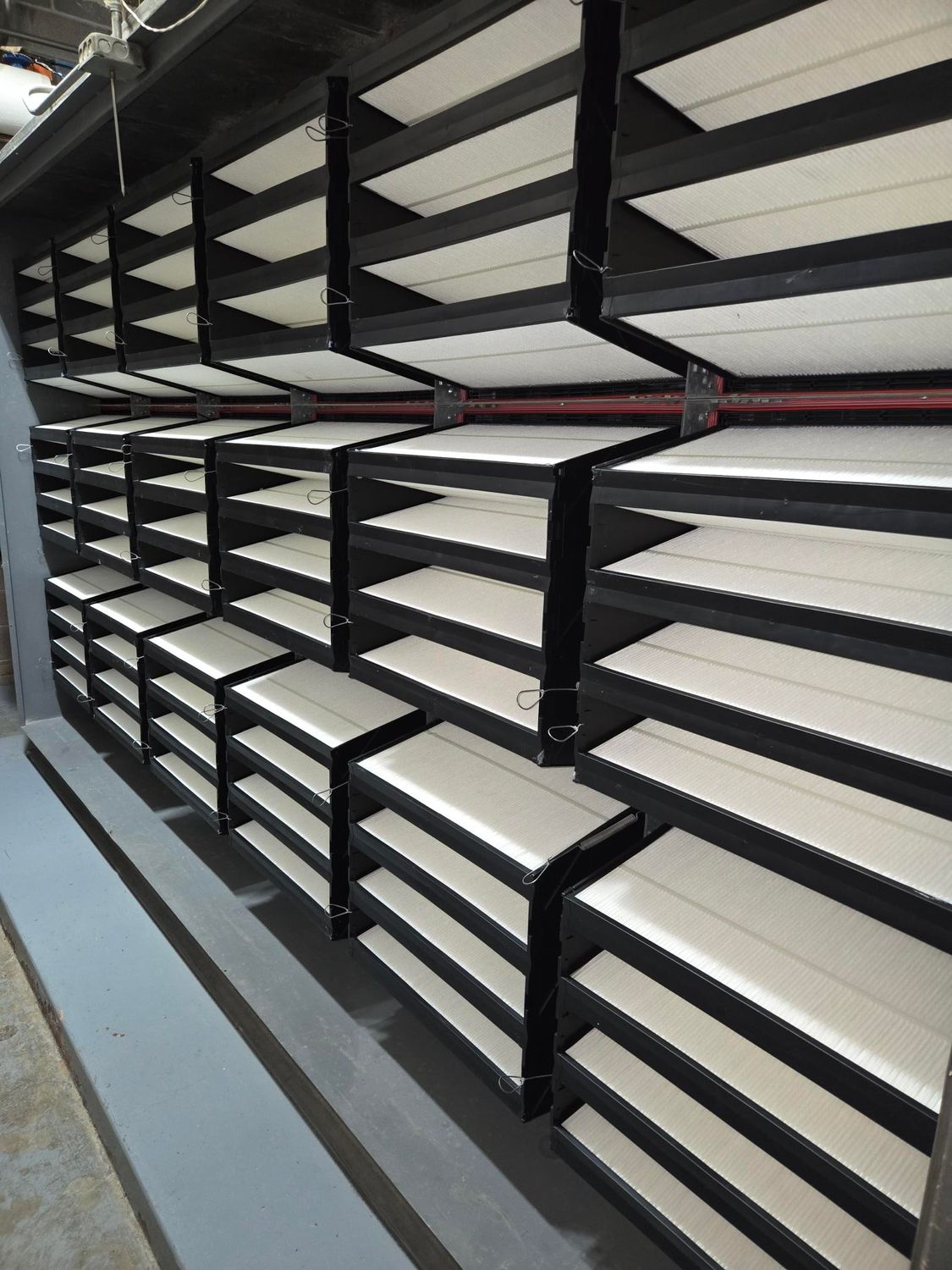
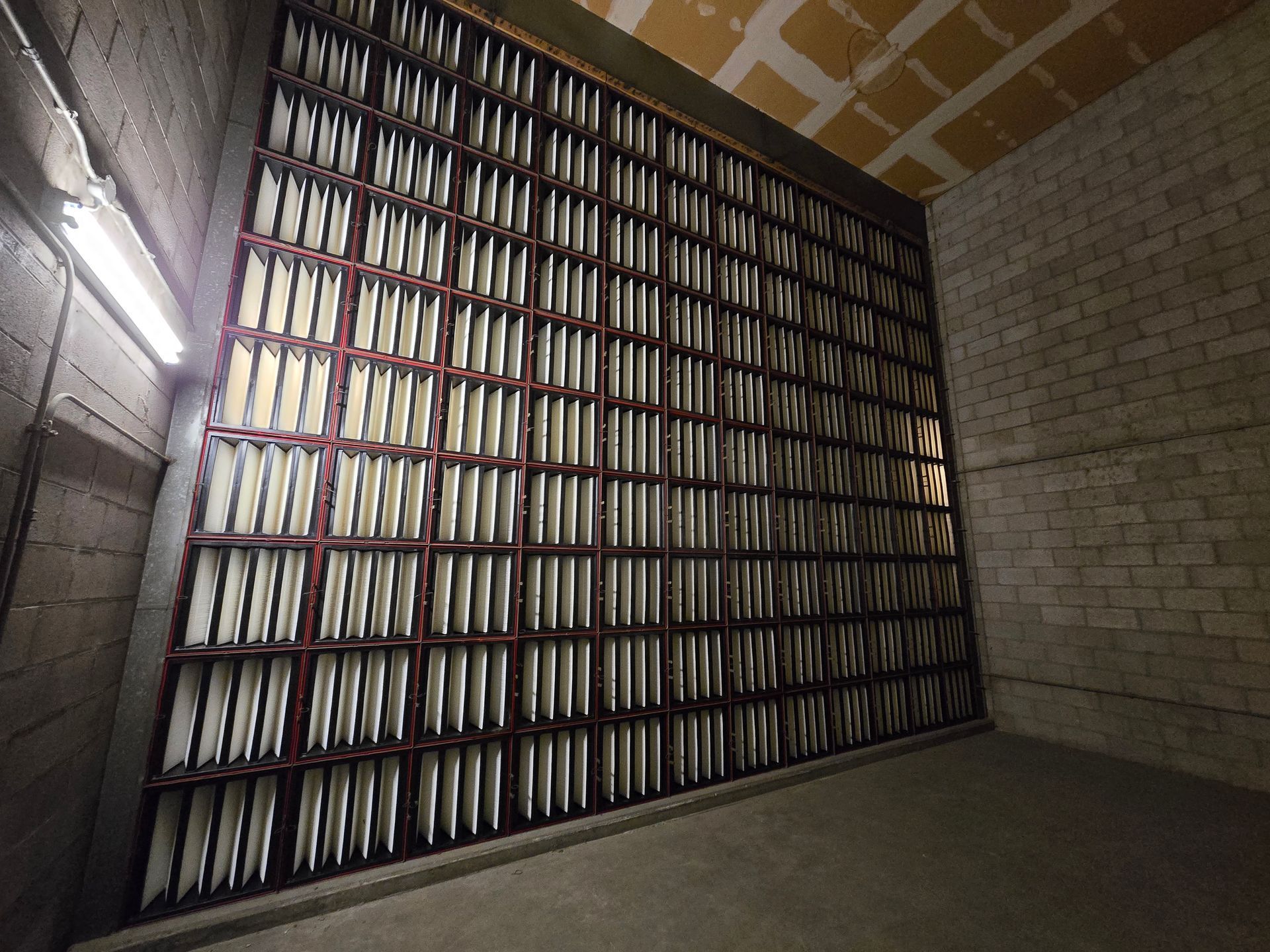
- Pleated air filters
- High-efficiency panel filters
- Bag filters
- Rigid box filters
Working with a professional commercial air filter supplier ensures the correct filtration solution is matched to the system and building requirements.
Protecting HVAC Systems Through Proper Filtration
Airborne particles can place significant strain on HVAC systems. Dust and debris accumulate on coils, fans, and ductwork, which can lead to:
- Reduced airflow
- Increased energy consumption
- Equipment wear
- System performance issues
Quality commercial HVAC air filters capture contaminants before they reach critical system components.
This helps maintain system efficiency and supports long-term HVAC reliability.
Commercial Air Filter Maintenance and Replacement
Even the best filtration systems require regular maintenance.
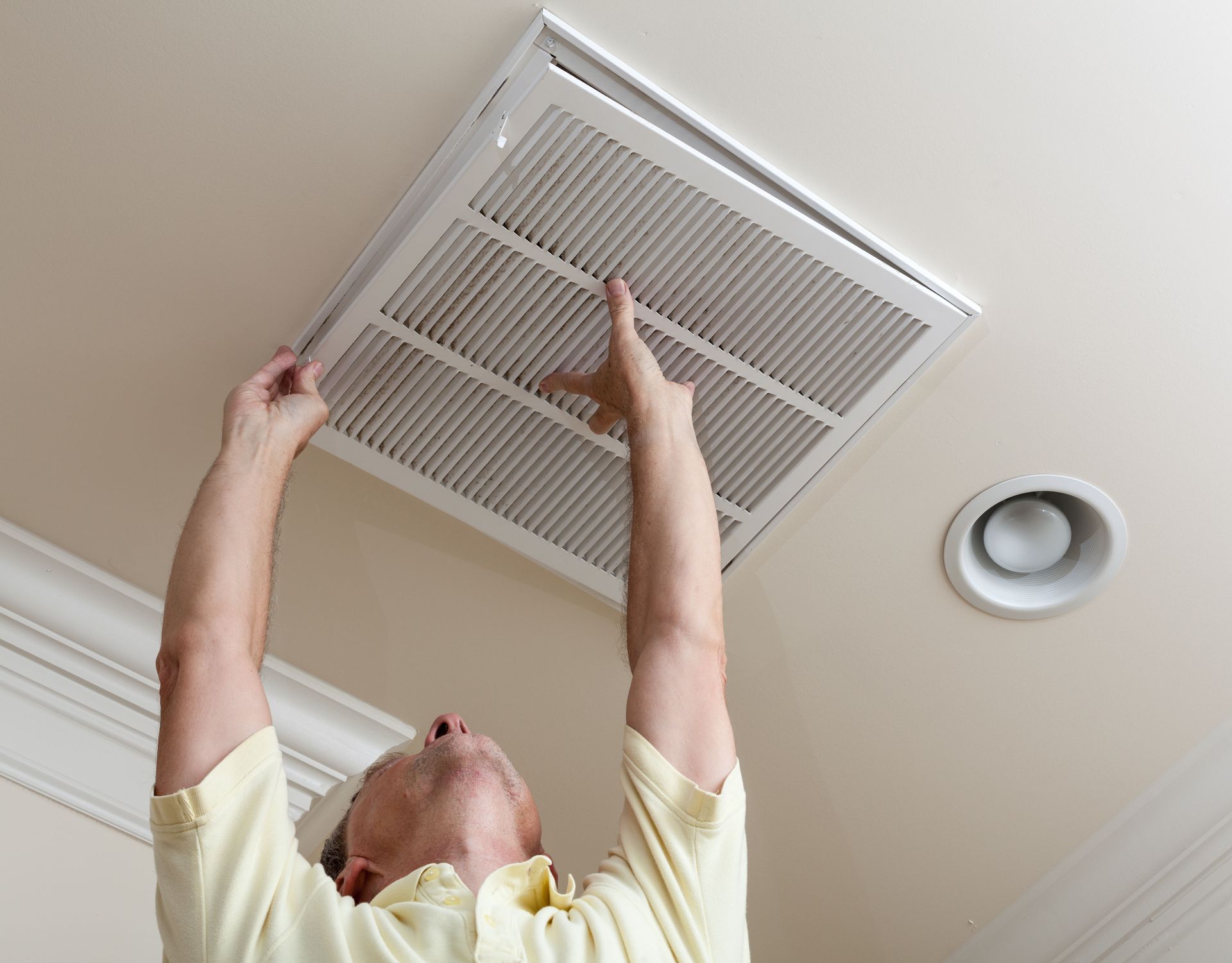
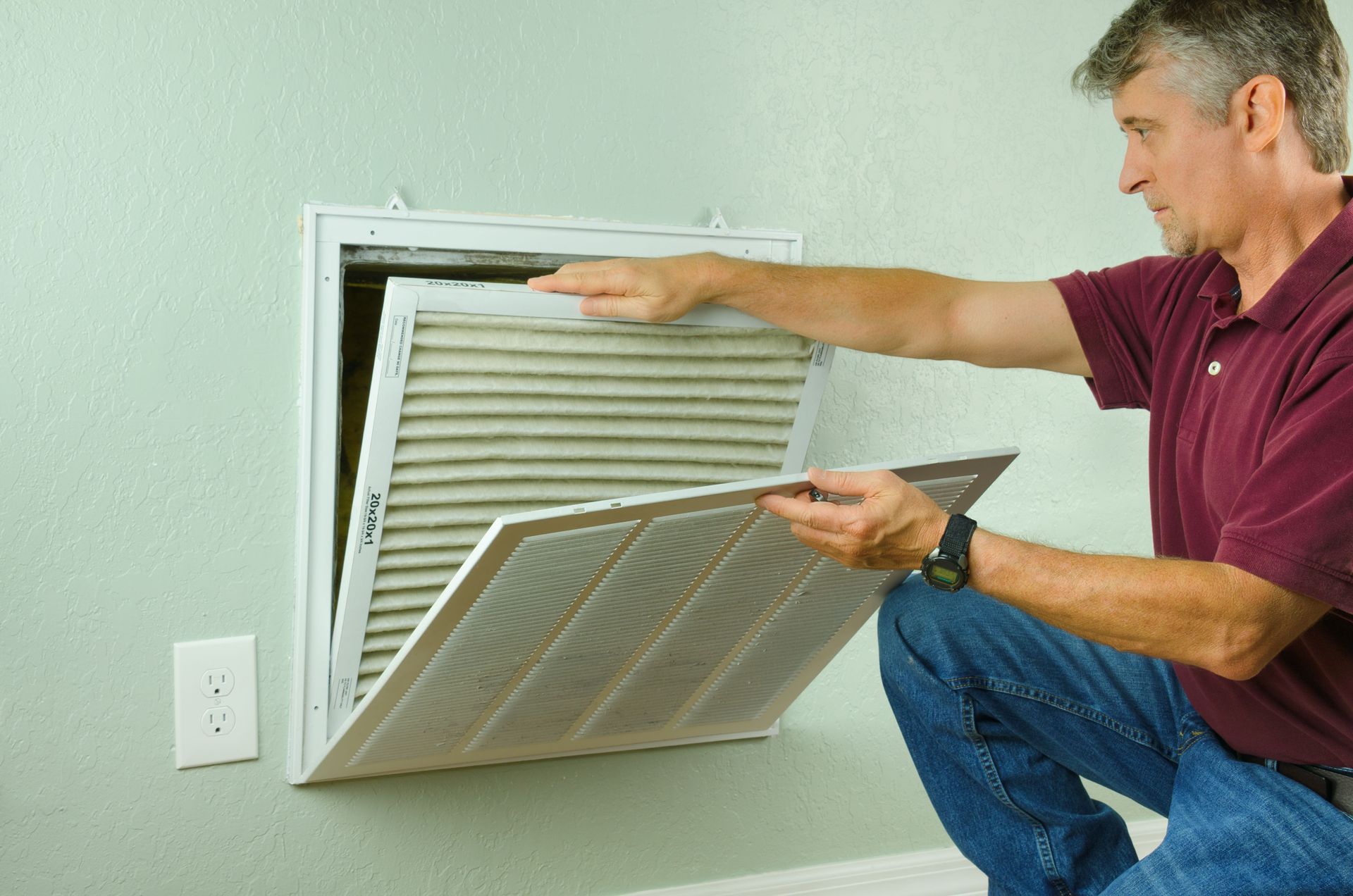
Facility managers should inspect filters routinely and replace them according to system requirements and operating conditions.
Proper filter replacement helps ensure:
- Consistent airflow
- Effective contaminant capture
- Optimal HVAC performance
Regular filtration maintenance for air purification systems is one of the most cost-effective ways to improve building performance.
Supporting Healthier Commercial Indoor Environments
Indoor air quality is a key component of modern building management. Clean air supports occupant comfort, system efficiency, and long-term facility performance.
With most people spending the majority of their time indoors, effective commercial HVAC air filtration is essential for maintaining healthier environments across offices, healthcare facilities, industrial buildings, and data centers.
For expert guidance on
air purification systems and commercial HVAC air filters in Denver, contact Colorado Air Filter LLC to discuss filtration solutions tailored to your facility.