By Keith Jordan
November 11, 2026
Airport air filters have become an indispensable part of the infrastructure in modern airports, significantly impacting safety, health, and overall operational efficiency. The dense and dynamic nature of airport environments requires meticulous attention to air quality management. Proper maintenance of air filters ensures that both passengers and staff enjoy a safer and healthier environment, free from potentially harmful airborne particles.
Maintaining airport air filters is crucial for minimizing health risks associated with indoor environments. By integrating advanced air filtration technologies, airports can significantly reduce the risk of airborne diseases, providing peace of mind for travelers. This focus on air quality is not just strategic but a necessary measure to ensure the harmonious operation of these transit hubs.
The Function of Airport Air Filters
Overview of Airport Air Filters
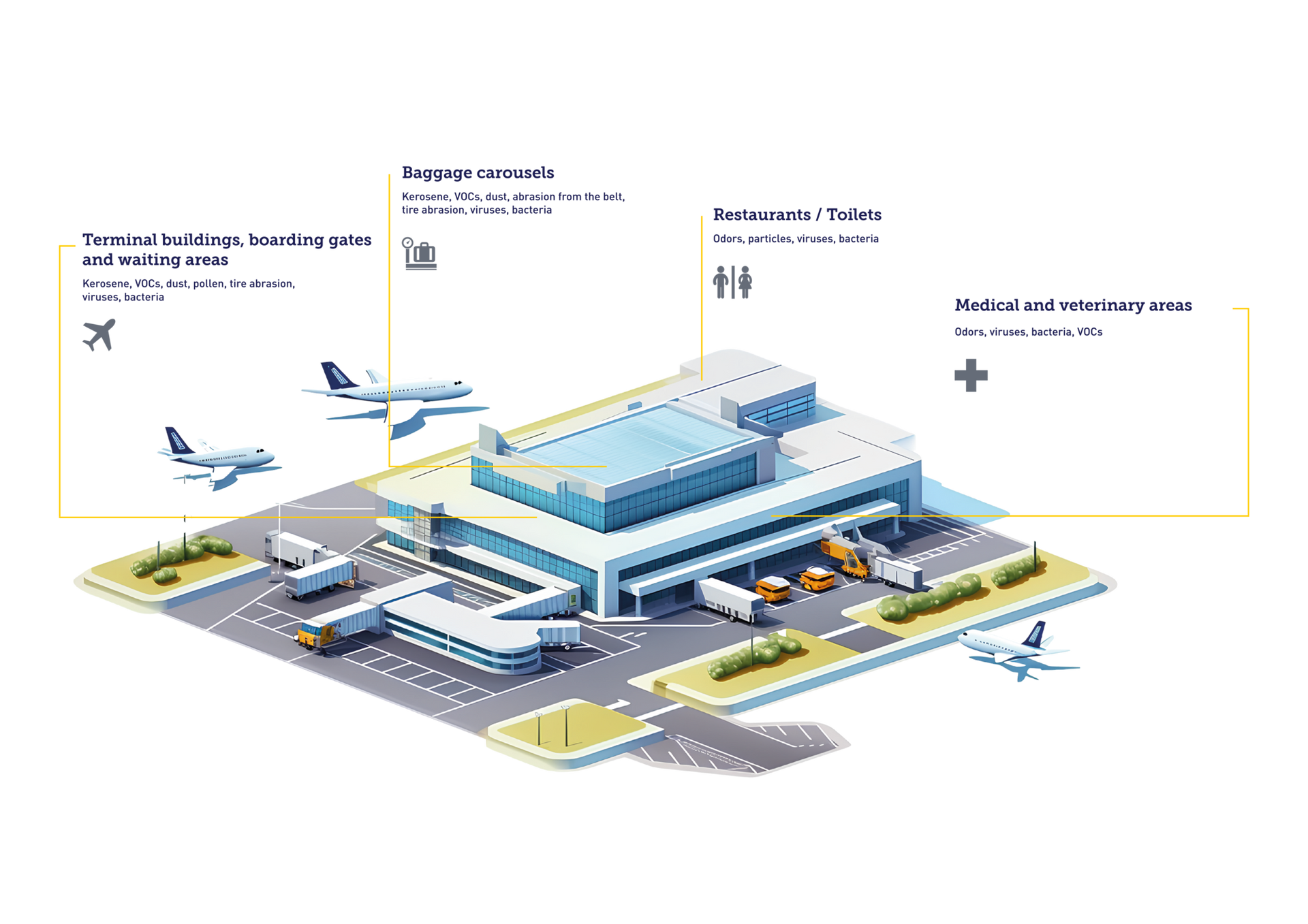
Air filtration systems are deeply integrated into airport infrastructure, performing the essential function of removing pollutants and contaminants from indoor air. The primary role of these systems is to ensure the continuous supply of clean air in high-traffic areas. This is achieved through a network of strategically placed filters capable of capturing a wide variety of airborne particles. These systems are integral in effectively managing the air quality within terminals, lounges, and gate areas. They are critical in maintaining an environment conducive to the health and well-being of all airport users.
In addition to improving air quality, air filtration systems are designed to blend seamlessly with existing HVAC systems. This integration enhances the overall efficiency of climate control systems, promoting energy savings and operational sustainability. By removing pollutants and ensuring optimal air quality, these systems help mitigate the impact of a high concentration of people and activities typically found in airport environments. This functionality is crucial, given the constant influx of passengers from diverse geographical locations. Maintaining a robust air filtering system is an effective measure to accommodate fluctuating air quality demands.
Air Quality Standards in Airports
Regulatory bodies impose strict air quality standards on airports to ensure passenger health and safety. These standards are structured to minimize the exposure to harmful airborne pollutants and to protect vulnerable individuals. Compliance with these standards demands regular air quality assessments and the implementation of adequate air filtration systems. Regulatory guidelines typically cover permissible levels of particulate matter, volatile organic compounds (VOCs), and biological agents. Adhering to these regulations ensures that airports provide a safe and welcoming environment.
International organizations, such as the World Health Organization (WHO) and the International Air Transport Association (IATA), provide frameworks for establishing and maintaining air quality standards. These guidelines assist airports in setting benchmarks that go beyond local regulations. By following these international standards, airports demonstrate their commitment to global best practices. Such dedication not only enhances the airport's reputation but also builds passenger trust in its operational standards. This trust is crucial in fostering a positive traveling experience.
Technological Advances in Airport Air Filters
The realm of air filtration has seen remarkable technological advancements that are particularly beneficial for busy environments like airports. Emerging technologies such as AI-enhanced predictive maintenance enable these systems to anticipate and rectify potential failures before they result in operational disruptions. For instance, by reducing unplanned shutdowns by 45%, facilities can maintain near-constant operational efficiency (according to Research Nester). Furthermore, these technologies significantly improve compliance rates with air quality standards. Leveraging data analytics, these systems offer real-time insights into air quality metrics and maintenance schedules.
Airport air filters embedded with IoT sensors are becoming increasingly common. These smart filters continuously monitor air quality and performance, feeding data back to central systems for analysis. This capability allows for a more responsive and proactive approach to air quality management. Enhanced filtration materials, such as nano-fiber composites, offer improved efficiency and durability, cutting down on energy consumption and operational costs. These innovative solutions ensure that airports remain at the forefront of air quality management, responding quickly to changing environmental conditions.
The Importance of Air Quality for Passenger Health and Safety
Impact of Poor Air Quality on Health
Poor air quality in airport environments can lead to a host of health problems, particularly for frequently exposed individuals. Conditions such as respiratory issues, allergic reactions, and headaches are common issues arising from inadequate air filtration. Crowded airport settings exacerbate the spread of particulates, magnifying health risks for passengers and staff alike. Effective air filtration significantly reduces these risks by ensuring the removal of harmful pollutants. This reduction is paramount not just for immediate health but maintaining long-term well-being for everyone who spends time in the airport.
Exposure to poor indoor air quality can increase susceptibility to more serious health issues over time. Chronic exposure can exacerbate underlying health conditions, complicating travel for individuals with pre-existing health concerns. Therefore, maintaining high air quality standards is not just about meeting regulatory obligations; it's about protecting public health. Regular monitoring and updating of air filtration systems with the latest technologies ensure the best possible indoor air quality. This proactive health measure is essential in preventing wide-scale health crises linked to air pollution.
Transmission of Airborne Diseases
Airports are breeding grounds for the transmission of airborne diseases due to their high density and passenger turnover. Pathogens can quickly spread in these environments, making air quality management essential for disease prevention. Advanced air filters play a crucial role in capturing infectious agents and reducing the risk of widespread outbreaks. The ability to filter out viruses and bacteria is particularly important during health crises, such as pandemics. By mitigating transmission through effective air filtration, airports become critical allies in public health efforts.
Real-time air quality tracking allows airports to maintain vigilance against airborne diseases. This capability ensures that filtration systems are functioning optimally, capturing pathogens before they can spread. During periods of elevated health risk, such as flu season, enhanced filtration protocols can be implemented to bolster defenses. These proactive measures demonstrate an airport's commitment to passenger safety, bolstering public confidence. This engagement in preventing disease transmission is vital to maintaining operational continuity and passenger trust.
The Effects of Air Quality on Passenger Experience
Customer Perception of Air Quality
Passenger perception of air quality plays an integral role in shaping their airport experience. Studies show that clean air contributes positively to travelers' overall impression of an airport facility. Environments with perceptibly better air quality are often associated with higher satisfaction levels. Therefore, air filtration systems do not just maintain cleanliness; they significantly impact customer perceptions and brand loyalty. Airports that prioritize enhanced air quality stand out, potentially gaining a competitive edge in traveler preference.
Passengers increasingly regard air quality as a determining factor in their travel choices, seeking out facilities with notable environmental management standards. Transparency about air quality measures further bolsters public confidence and satisfaction. Information-sharing about real-time air quality and filtration systems reinforces the airport's integrity and dedication to high service standards. This openness can mitigate concerns about health and safety, especially during health crises or heightened environmental awareness. By showcasing these capabilities, airports reaffirm their commitment to an optimal passenger experience.
Comfort and Well-being of Passengers
A key component of passenger satisfaction is achieved through creating an environment that fosters comfort and well-being. Fresh, pollutant-free air leads to a more relaxing and enjoyable environment, mitigating the stress often associated with travel. Air filtration systems that purify the air quality contribute significantly to this comfort, ensuring passengers remain refreshed throughout their airport stay. Addressing indoor air quality is paramount in reducing symptoms associated with poor atmospheric conditions, like irritations or fatigue. Enhanced passenger comfort results in a greater overall satisfaction with airport facilities.
The psychological effect of breathing clean air serves as an invigorating factor, positively influencing the overall passenger mood. Professional environments within airports, such as lounges and business centers, are particularly enhanced by superior air filtration. This dedication to air quality reaches worker inhabitants too, who enjoy increased productivity in allergen-free, purified spaces. Anticipating passengers' needs through advanced filtration affirms the airport’s commitment to well-being. Such efforts contribute to the broader objective of providing a seamless, positive travel journey.
Do you need a team that understands
airport air filters? Contact our staff at Colorado Air Filter LLC. We're ready to assist you.