By Keith Jordan
November 19, 2026
In today's world, ensuring a clean and healthy environment is crucial, particularly in high-traffic areas like airports. This article explores the various benefits that passengers will enjoy when airports implement a professional airport air filter service. By enhancing air quality, these services play a significant role in improving passenger contentment, safety, and overall airport experience. Air filter services are not just a matter of luxury but a necessity in promoting public health and environmental sustainability. By understanding the substantial impacts of air quality enhancements, airports can make informed decisions that benefit both passengers and staff.
Enhanced Air Quality
Reduction of Allergens
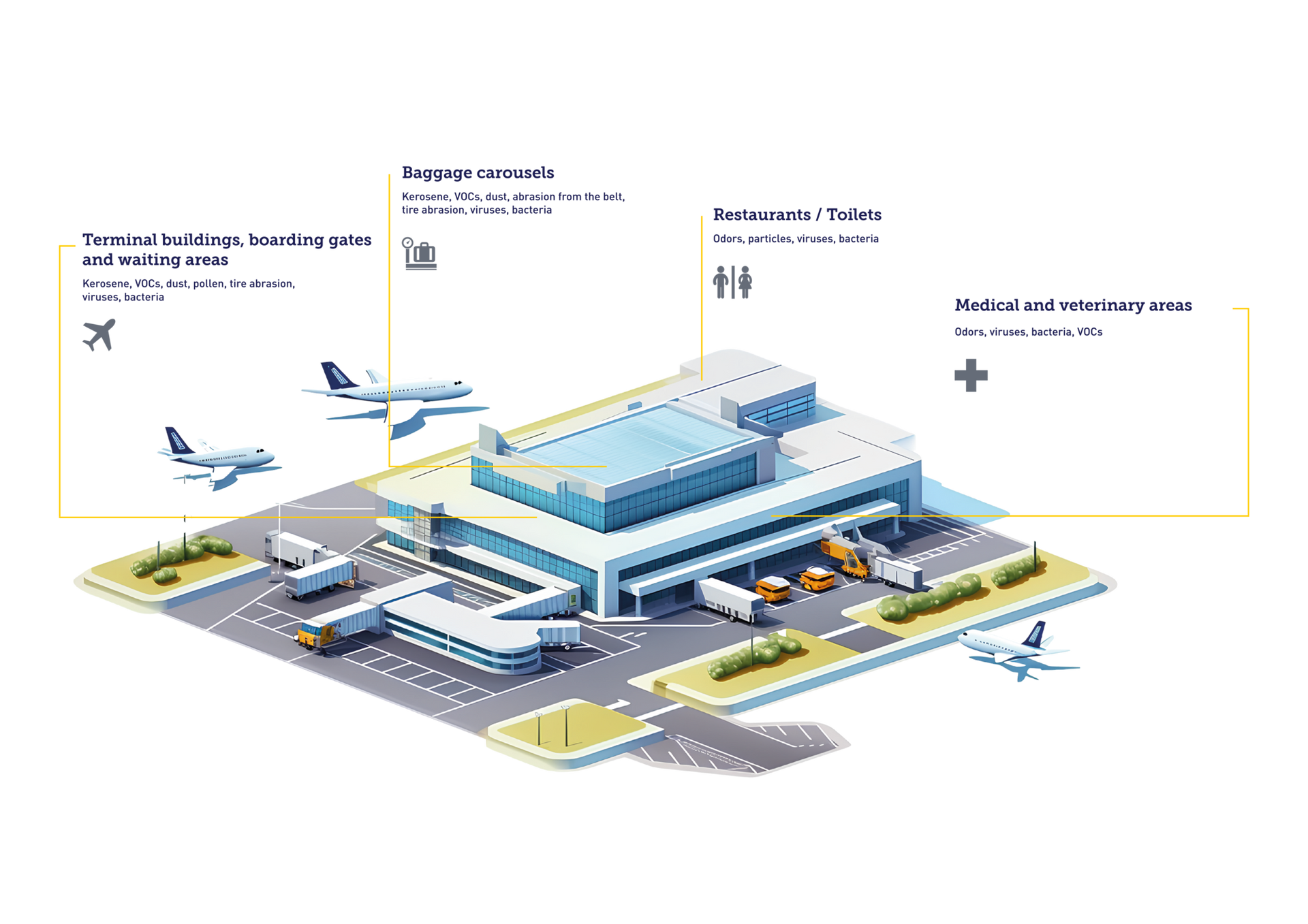
Airports, being high-traffic areas, often have elevated levels of allergens. When professional air filter services are utilized, the concentration of allergens such as pollen, dust mites, and pet dander can be significantly reduced. These allergens contribute to discomfort and respiratory issues among passengers, which can significantly detract from the travel experience. With advanced filtration systems, passengers can enjoy a cleaner atmosphere that mitigates allergy symptoms and enhances their comfort. Overall, reducing allergens with an airport air filter service can contribute to a healthier indoor environment, aligning with the fact that most Americans spend 90% of their time indoors, according to the EPA.
Elimination of Odors
Unpleasant odors can create a negative impression and exacerbate stress levels among travelers. Implementing air filter services can lead to the effective elimination of odors caused by food, cleaning chemicals, and other sources within an airport. This improvement in air quality positively impacts the overall ambiance, creating a more welcoming and reassuring environment for passengers. A cleaner, fresher airport space helps in reducing anxiety and improves the passenger's mood. It signifies a commitment to maintaining high standards of cleanliness, which can significantly enhance a passenger's airport experience.
Removal of Airborne Particles
Airports are prone to various airborne particles, including dust, dirt, and microorganisms, which can pose health hazards. Advanced air filter systems efficiently capture and remove these particles, fostering a safer and cleaner environment. By minimizing the existence of these particles, passengers experience fewer respiratory irritations and a decreased risk of health complications. The presence of modern filtration devices ensures that airborne contaminants are kept at bay, improving air quality within the premises. This not only serves the passenger’s health but also enhances the airport’s image as a safe travel hub.
Decreased Spread of Airborne Diseases
The spread of airborne diseases is a critical concern in locations with high concentrations of people, such as airports. An airport air filter service plays a crucial role in reducing this spread by limiting exposure to pathogens in the air. Effective filtration minimizes the transmission of colds, flu, and other contagious ailments, safeguarding passengers and staff from potential outbreaks. Moreover, investing in such systems underscores an airport's dedication to public health and safety. It's a proactive step towards ensuring passenger safety and demonstrates the airport's commitment to global health standards.
Regular Quality Monitoring
Consistent monitoring of air quality is essential in maintaining a healthy indoor environment. Professional air filter services include regular checks to ensure systems are functioning optimally, thus providing constant assurance of superior air quality. This practice helps quickly identify and address any fluctuations in air purity, safeguarding passengers continuously. Frequent assessment and adjustments in filtration services reflect a proactive approach to maintain cleanliness and health standards. It elevates the trust passengers have in the airport’s operational standards and commitment to their well-being.
Improved Passenger Comfort
Consistent Temperature Control
Maintaining a consistent temperature is vital for passenger comfort, and a airport air filter service significantly assists in this aspect. By regulating airflow and maintaining quality, these systems ensure an optimal environment regardless of external weather conditions. Consistent temperature control diminishes discomfort and stress, allowing passengers a more pleasant transit experience. It also helps in reducing energy consumption as systems work efficiently, aligning with sustainability goals. Overall, this contributes to a welcoming atmosphere where passengers can relax and enjoy their journey.
Decrease in Respiratory Irritation
Respiratory irritation is a common complaint in congested environments, often due to poor air quality. Air filtration services reduce the presence of irritants such as dust, smoke, and microbial contaminants. A well-maintained air system ensures that irritants are filtered out, resulting in clearer, easier breathing for passengers and staff. Reduced respiratory complications lead to a more comfortable travel experience and a less hectic atmosphere. Providing clean air aligns with the high standards of passenger care expected in modern airports.
Enhanced Noise Reduction
Noise pollution can significantly detract from a peaceful environment and contribute to passenger stress. Air filtration systems, especially those integrated with HVAC units, frequently come with noise-reducing features. These systems absorb and dampen noise levels, creating a more serene and pleasant ambiance within the terminal. This quieter atmosphere encourages a more relaxed and less chaotic experience for passengers, especially those on long transits or layovers. As airports adopt noise reduction strategies, they enhance client satisfaction and create a more desirable environment.
Increased Passenger Safety
Compliance with Safety Standards
Airports must adhere to strict safety and health standards to ensure passenger security. An airport air filter service plays a vital role in helping airports comply with these regulatory requirements through consistent air quality management. By meeting safety standards, airports showcase their commitment to maintaining safe environments for all stakeholders. Effective compliance reduces liability and paves the way for a stronger reputation in the aviation industry. Ultimately, passengers can travel with peace of mind, knowing that the airport prioritizes their safety and well-being.
Reduced Risk of Health Complications
Clean air is crucial in minimizing the risk of health complications associated with poor indoor air quality. Professional air filtration services help in maintaining optimal air conditions, reducing potential risks of respiratory disorders and allergic reactions. Ensuring high air quality limits health incidents, providing a safer environment for passengers and employees alike. It signifies the airport's consciousness towards public health concerns, reinforcing its stature as a responsible and dependable facility. Healthy passengers contribute to a more streamlined and efficient operational environment.
Efficient Facility Management
Improved HVAC Performance
HVAC systems form the backbone of airport facilities, maintaining a balanced environment through effective heating, ventilation, and air conditioning. An airport air filter service enhances HVAC performance, ensuring consistent climate control. By preventing debris from obstructing these systems, they work more efficiently and last longer. Improved HVAC performance leads to optimized space conditions that enhance passenger comfort at every turn. The seamless operation of these systems results in reduced energy waste, promoting operational efficiency and cost savings.
Reduction in Maintenance Costs
Regular maintenance of air systems can be costly without appropriate filter management. Air filter services help in reducing these costs by prolonging the operational lifespan of HVAC and other air quality systems. Lower maintenance expenses arise from the reduced need for frequent component replacements and emergency repairs. By investing in air quality up front, airports see long-term cost savings, improving profitability. This strategic approach encourages a sustainable model for facility management and capital allocation.
Investing in an
airport air filter service is more than just a commitment to cleaner air; it reflects a dedication to passenger welfare and environmental responsibility. The multifaceted benefits—from enhanced air quality and improved comfort to safety and environmental stewardship—demonstrate the service's critical role in creating a superior passenger experience. Call Colorado Air Filter LLC to get started with our services for airports.