By Keith Jordan
January 29, 2026
Bitcoin mining operations are capital-intensive, energy-hungry, and increasingly professionalized. As margins tighten and competition grows, operators are paying closer attention to infrastructure details that directly affect uptime and hardware longevity. One of the most overlooked elements of a well-run mining facility is environmental control. Dust, debris, and airborne contaminants can quietly erode performance until failures become unavoidable. For commercial mining businesses, understanding how air filters into overall operational strategy is no longer optional; it is a core requirement for protecting assets and stabilizing returns.
Environmental Controls in Bitcoin Mining
Bitcoin mining equipment operates continuously at high power levels, producing significant heat. To manage this heat, facilities rely on constant airflow through mining rigs, particularly ASIC miners. That airflow, however, also pulls in whatever is present in the surrounding environment. In industrial or semi-industrial locations, air often contains dust, pollen, metal particles, exhaust residue, and moisture.
Over time, these contaminants settle on circuit boards, heat sinks, and fans. Even a thin layer of dust can act as insulation, raising component temperatures and forcing cooling systems to work harder. As temperatures rise, performance throttling becomes more common, energy efficiency drops, and the likelihood of unexpected shutdowns increases. This is why properly designed filtration is a foundational component of modern mining infrastructure, not an optional accessory.
ASIC miners are engineered for maximum computational output, not environmental resilience. Their densely packed chips and high-speed fans are especially vulnerable to contamination. According to Build-a-Mine Bulletin, without proper air filters, contaminants can damage ASIC chips and cause expensive repairs and downtimes. This reality has been confirmed repeatedly in the field by operators who experience premature hardware failure despite adequate power and cooling capacity.
Effective filtration serves as a protective barrier, preventing harmful particles from ever reaching sensitive components. By keeping internal surfaces cleaner, miners maintain more consistent thermal performance and reduce stress on fans and power supplies. Over the lifespan of the equipment, this translates into fewer service interruptions, lower maintenance costs, and more predictable hashing output.
Common Airborne Threats in Mining Facilities
The specific contaminants a mining operation faces depend heavily on location. Facilities in agricultural regions may contend with pollen and fine soil particles, while urban or industrial sites often face soot, metal dust, or chemical residues. Coastal operations must also consider salt particles that can accelerate corrosion. Even indoor environments are not immune; construction debris, packaging fibers, and human activity all contribute to airborne particulates.
Humidity is another critical factor. Moist air can cause particles to clump and adhere more easily to electronic components, compounding the damage. Inadequate filtration allows these combined threats to circulate freely through mining rigs, undermining even the most robust cooling designs. Addressing these risks requires a filtration approach tailored to the specific environmental profile of the facility.
Not all filtration solutions are created equal, and selecting the wrong system can be almost as problematic as having none at all. Filters must strike a balance between particle capture efficiency and airflow resistance. Overly restrictive filters can starve equipment of the air volume it needs, while insufficiently rated filters allow damaging particles to pass through.
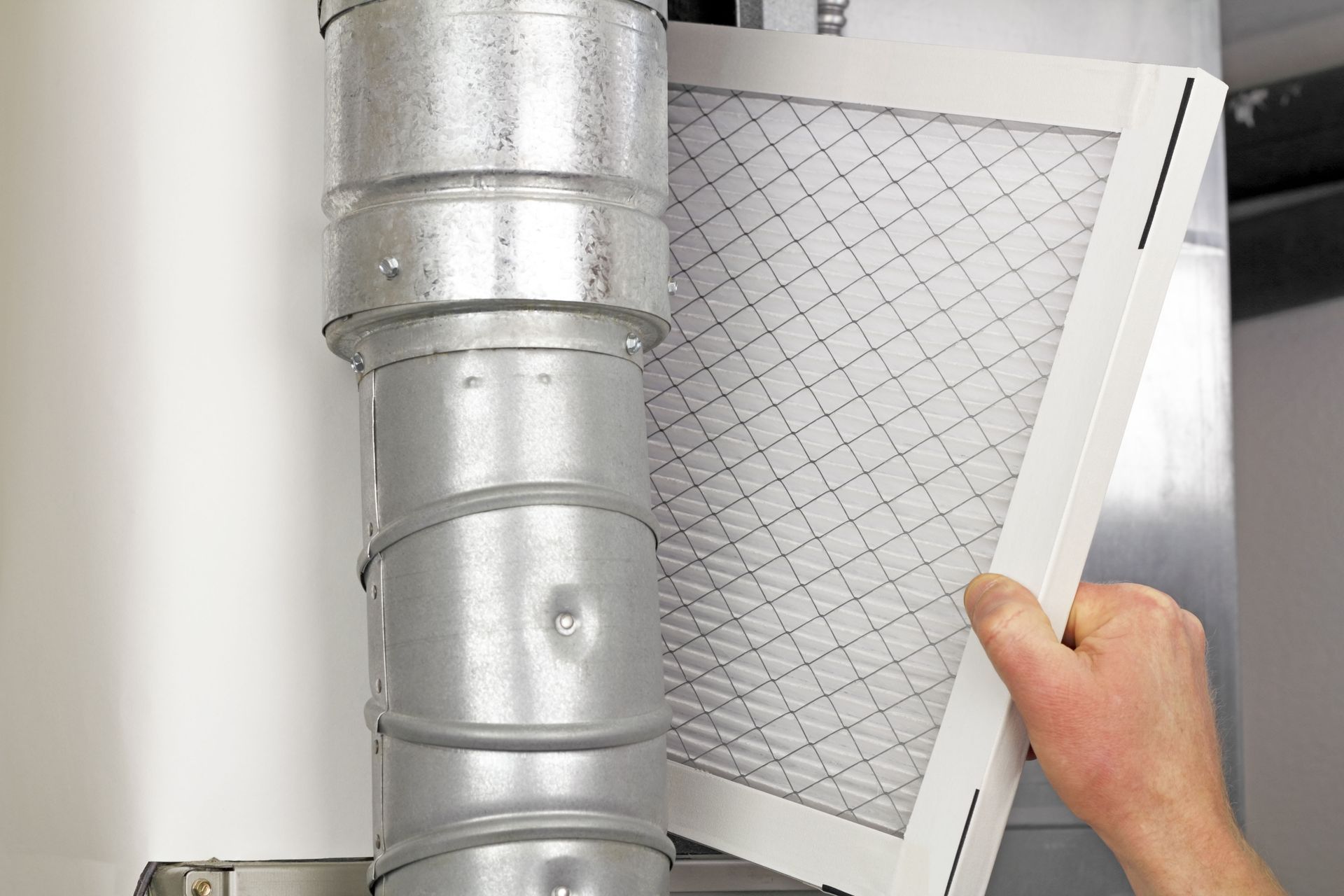
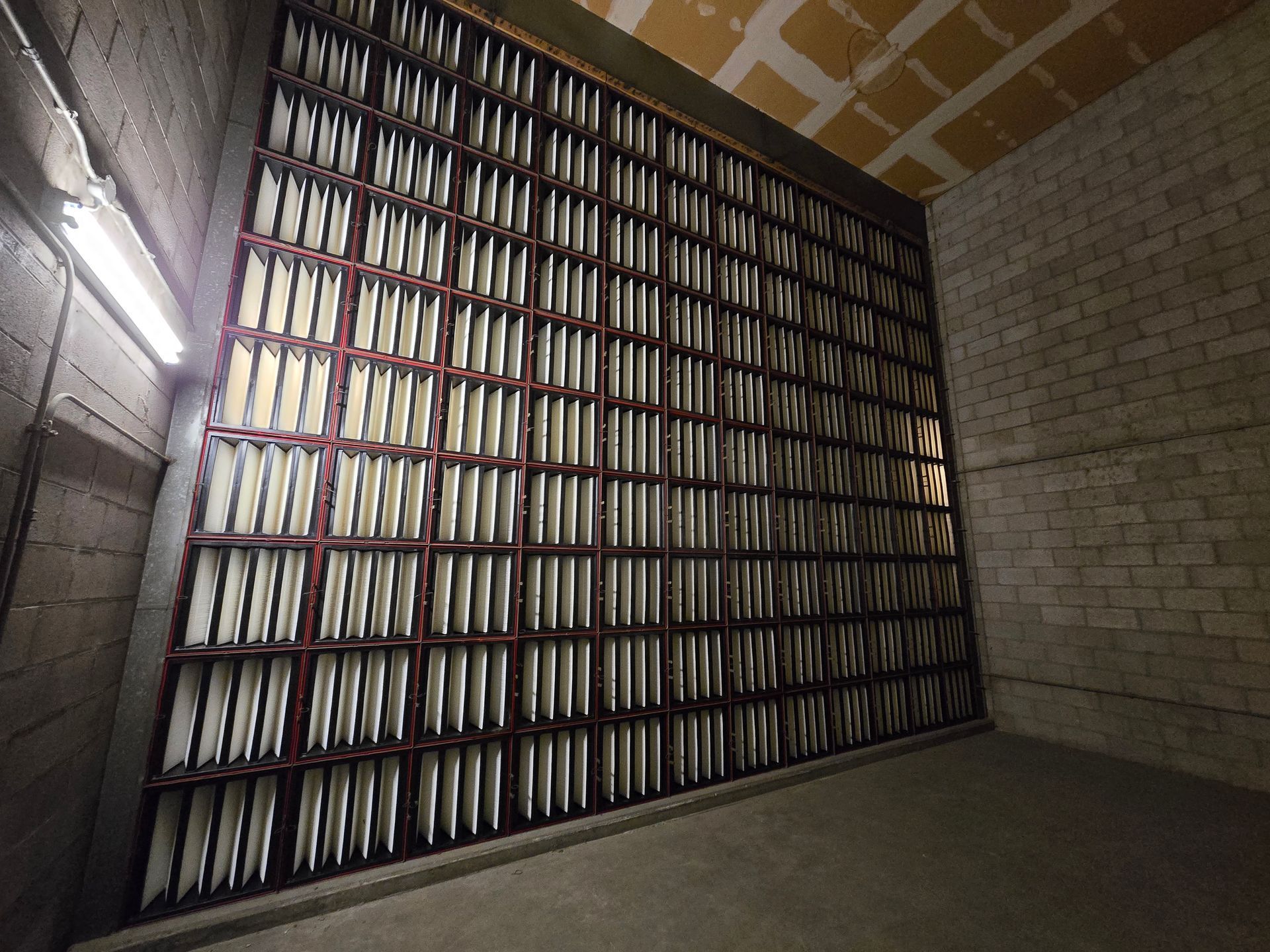
Commercial mining operators should evaluate filter efficiency ratings, such as MERV values, in the context of their operational environment. In many cases, multi-stage systems provide the best results, capturing larger particles first and finer contaminants downstream. The strategic use of air filters in intake systems ensures that clean air reaches equipment without compromising cooling performance.
Filtration is not a "set it and forget it" solution. Filters accumulate debris over time, which increases airflow resistance and reduces effectiveness. Without a structured maintenance and replacement schedule, even high-quality systems can become liabilities. Monitoring pressure differentials across filters and visually inspecting them at regular intervals helps operators determine when service is required.
For large-scale operations, maintenance planning should be integrated into overall operational workflows. Downtime for filter replacement can often be coordinated with other routine checks, minimizing disruption. Consistent upkeep ensures that air filters continue to deliver protective value throughout the year, regardless of seasonal changes in air quality.
Energy Efficiency and Operational Costs
One of the less obvious benefits of proper filtration is improved energy efficiency. Clean equipment runs cooler, allowing fans to operate at lower speeds and reducing the load on auxiliary cooling systems. This can have a measurable impact on power consumption, which is one of the largest ongoing expenses in bitcoin mining.
By investing in well-designed filtration, operators often see indirect financial gains through reduced energy waste and longer hardware service intervals. Over time, these savings can offset the cost of the filtration system itself. When viewed through a total cost of ownership lens, air filters become a cost-control tool rather than a discretionary expense.
As mining businesses scale, environmental challenges tend to intensify. Larger facilities move more air, increasing exposure to contaminants. Expansion may also require the use of new buildings or locations with different air quality profiles. Designing filtration systems with scalability in mind allows operators to adapt without major retrofits.
Future-proofing also involves regulatory and community considerations. Dust and exhaust management can affect relationships with local authorities and neighboring businesses. Demonstrating a commitment to responsible environmental control positions mining operations as professional, compliant, and sustainable enterprises. In this context, thoughtful use of air filters supports both technical and reputational goals.
Professional Filtration Provider Options
Given the complexity of modern mining environments, many operators choose to work with specialized filtration service providers. These professionals assess site-specific risks, recommend appropriate systems, and support ongoing maintenance. This approach reduces guesswork and ensures that filtration strategies align with both equipment requirements and business objectives.
Professional support is particularly valuable for operators managing multiple sites or planning rapid expansion. Standardizing filtration practices across facilities simplifies training, maintenance, and performance benchmarking. It also ensures that each location benefits from proven solutions rather than ad hoc fixes.
Bitcoin mining is a game of efficiency, reliability, and long-term planning. While hash rate and energy costs dominate strategic discussions, environmental control quietly underpins both. Filtration protects hardware investments, stabilizes performance, and contributes to predictable operating costs. For commercial clients, understanding and prioritizing this aspect of infrastructure can make the difference between reactive maintenance and proactive asset management.
Bitcoin mining facilities are not one-size-fits-all, and filtration strategies should reflect that reality. Containerized mining units, for example, face unique airflow challenges due to their compact layouts and reliance on high-velocity intake systems. In these environments, filtration must be durable enough to withstand constant pressure while still capturing fine particulates. Warehouse-based operations, on the other hand, often deal with larger volumes of air and may benefit from centralized intake filtration paired with localized protection at critical equipment zones.
Climate also plays a role in filtration design. Facilities operating in dry regions may experience higher dust loads, requiring filters with greater holding capacity, while colder climates can introduce condensation risks if intake air is not properly managed. By accounting for facility structure, geographic location, and operating conditions, mining businesses can implement filtration systems that are both effective and operationally efficient.
Beyond day-to-day performance, proper filtration supports broader risk management and business continuity goals. Unexpected equipment failures can ripple through an operation, leading to missed uptime targets, strained client relationships, or breached hosting agreements. Clean air helps stabilize operating conditions, reducing the likelihood of cascading failures that originate from overheating or electrical shorts caused by contamination.
From an insurance and compliance perspective, demonstrating proactive maintenance, including air quality management, can also strengthen a company's operational profile. As institutional involvement in bitcoin mining continues to grow, operators that document the best infrastructure practices may find themselves better positioned when negotiating contracts, financing, or long-term partnerships. In this way, air filters are not just technical safeguards, but strategic assets supporting resilience and long-term growth. If your bitcoin mining business is in need of air filtration solutions, reach out to Colorado Air Filter LLC for expert services today.